REVIEW · KYOTO
Kyoto: Maiko Happy Hour at a Historic Machiya
Book on GetYourGuide →Operated by Tondaya, Co., Ltd. · Bookable on GetYourGuide
A maiko in Kyoto’s wooden heart sounds unreal. In a 140-year-old machiya at Tondaya-Nishijin, you get a rare, up-close look at Kyoto arts without the usual barriers.
I love how the evening builds around live performance and explanation, not just a photo op. I also like that the Uji matcha tea ceremony is hosted by the maiko herself, followed by buyō dance and classical music.
One thing to consider: communication can make or break your enjoyment. English interpretation is arranged, but translation support isn’t always perfect, and at this price you’ll want to value every part of the 2 hours since there’s no long meal spread.
In This Review
- Key Highlights Worth Your Attention
- Tondaya Machiya: the 140-Year-Old Wooden Room You’ll Remember
- Maiko Tea Ceremony: Uji Matcha, Japanese Sweets, and Real Training Energy
- Buyō Dance in Classical Sound: Where the Details Matter
- Party Games With the Maiko: The Friendly Part That Often Becomes the Best Part
- Photo Time With a Maiko: Why This Access Is Rare
- Price and Value: What $709 Buys in 2 Hours
- Timing, Socks, and the Small Rules That Keep It Comfortable
- Maiko vs. Geiko: When Availability Changes Who You Meet
- Language Support: How to Make Sure You Actually Follow the Story
- Who This Fits Best (and Who Might Want Another Plan)
- So, Should You Book Kyoto Maiko Happy Hour at Tondaya?
- FAQ
- How long is the Kyoto Maiko Happy Hour experience?
- Where do I meet for the tour?
- What should I bring?
- Is alcohol included?
- Is this experience suitable for wheelchair users?
- What happens during the tea ceremony?
- Will I meet a maiko for sure?
- Are photography opportunities included?
- What languages are available?
- Is it refundable if I cancel?
Key Highlights Worth Your Attention
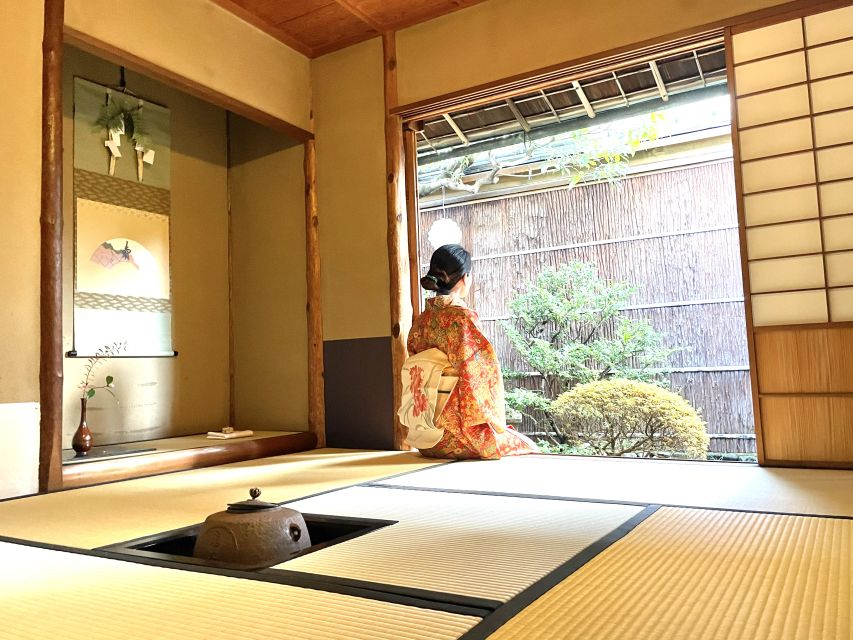
- 140-year-old nationally registered machiya setting the mood for traditional Kyoto
- Uji matcha + Japanese sweets during a tea ceremony hosted by the maiko
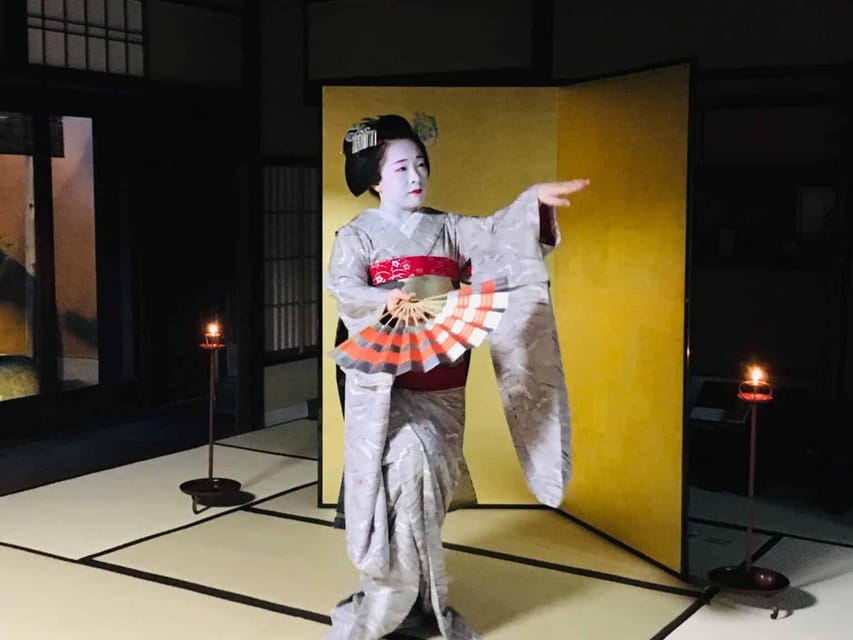
- Buyō dance performed with classical accompaniment in a small, wooden space
- Maiko party games where you can ask questions and learn how it works
- Photo time with the maiko, which is normally restricted in everyday training life
- Interpreter support, with the reality that you may use a translation device at times
Tondaya Machiya: the 140-Year-Old Wooden Room You’ll Remember
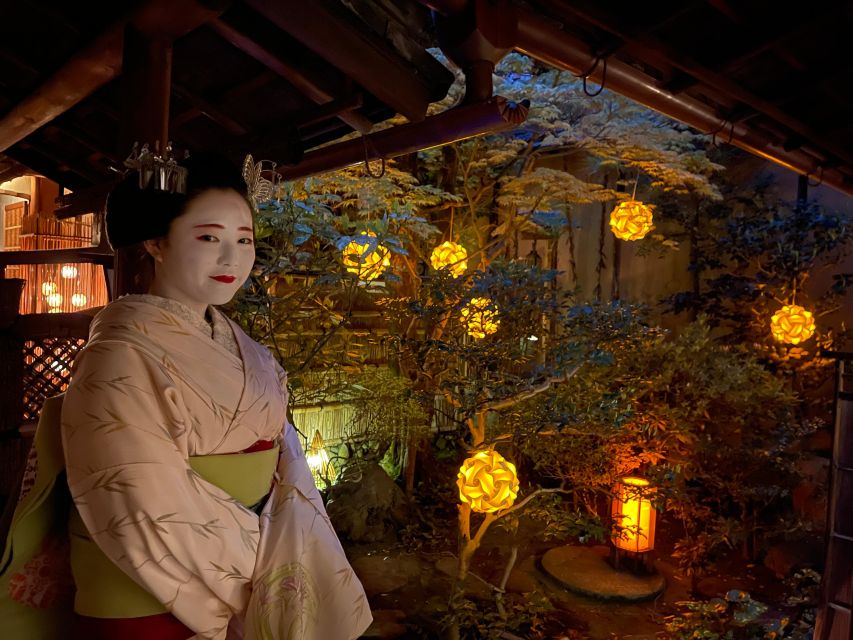
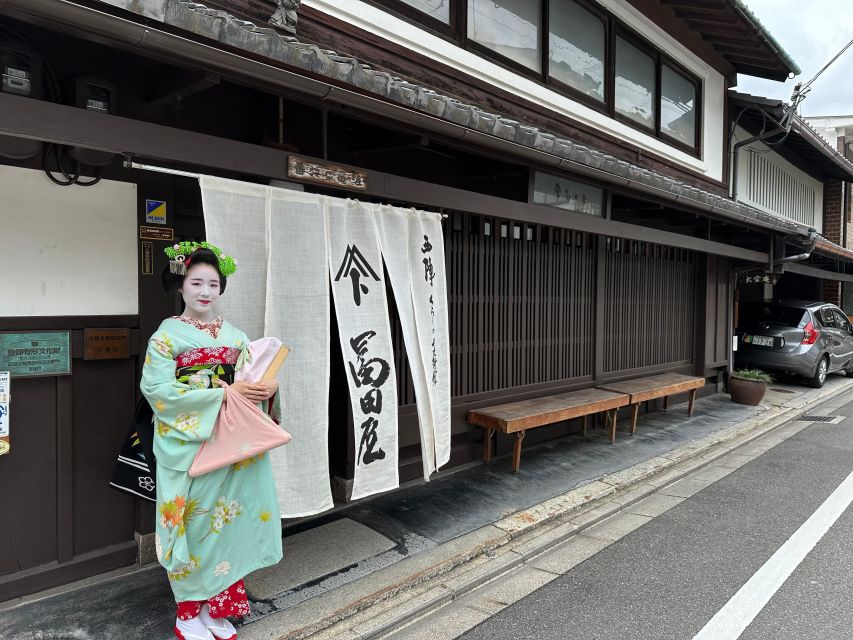
This experience starts at Tondaya-Nishijin Japanese Cultural Experience Museum, where you step into Tondaya, a 140-year-old machiya (traditional Kyoto townhouse). It’s designated as a culturally significant landmark by the Kyoto City Government, so you’re not just visiting a themed space. You’re inside a real, preserved building with historical artifacts and stories tied to it.
The practical reason this matters: the machiya’s layout and woodwork shape how you perceive the performances. The rooms feel intimate, and small movements look bigger. You’ll likely feel the difference compared with larger theaters, where everything stays at arm’s length.
Maiko Tea Ceremony: Uji Matcha, Japanese Sweets, and Real Training Energy
Next comes the centerpiece: an authentic tea ceremony hosted by the maiko. You’ll be served Uji matcha along with Japanese sweets, and the flow is guided by the maiko’s presence and refined manner. This isn’t a “try tea for a minute and move on” setup. It’s a short ceremony designed to show what the ritual feels like in context.
Here’s what I think you should watch for. Look at the pacing and the care in small gestures. Even if your language coverage is partial, tea has its own communication—tone, tempo, and respect. The tea ceremony also gives you a clean doorway into Kyoto culture, because it explains that these arts aren’t separate hobbies. They’re connected habits of attention.
Buyō Dance in Classical Sound: Where the Details Matter
After the tea, you’ll enjoy a buyō performance, a refined traditional Japanese dance accompanied by classical music. Buyō is known for its controlled, elegant movements, where the pauses and angles are part of the story. In a machiya setting, those details land more clearly than you might expect.
If you’re someone who likes to understand what you’re seeing, this is the moment to focus. The choreography and the music are doing the heavy lifting, while the guide helps translate what’s being expressed. And since you’re not stuck with a full night format, you get that “live art” buzz without feeling trapped in a long program.
Party Games With the Maiko: The Friendly Part That Often Becomes the Best Part
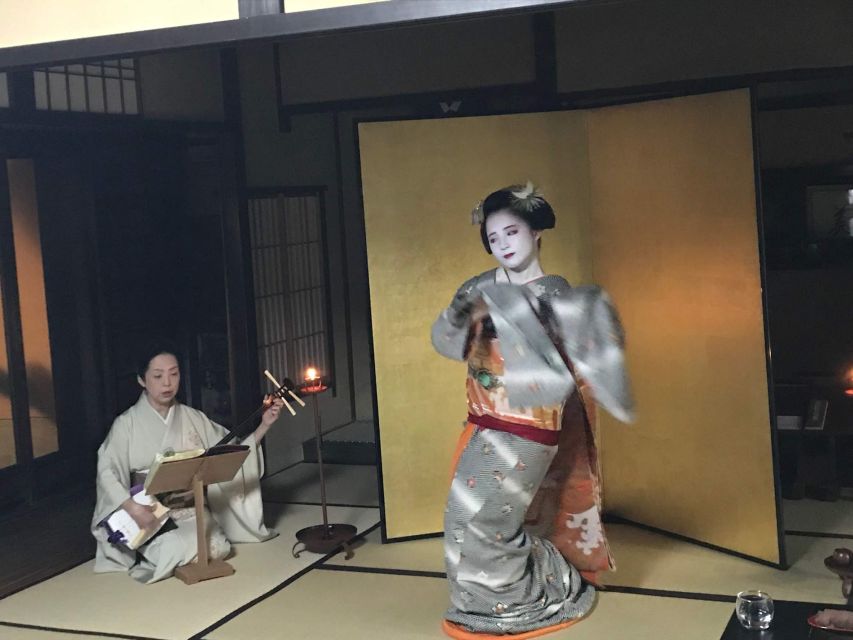
Once the performance wraps, you get a chance to try traditional maiko party games. This is more than entertainment. The maiko explains how each game is played, then you can play together. It’s one of the most direct ways to feel what the maiko world can be like outside pure performance.
This is also where your questions become part of the experience. You’ll have time to ask about maiko culture, and the guide plus the maiko’s explanations are meant to connect the dots for you. Even when translation support isn’t perfect, the interaction stays warm and structured, and you’ll still learn how games, manners, and seasonal charm fit together.
Photo Time With a Maiko: Why This Access Is Rare
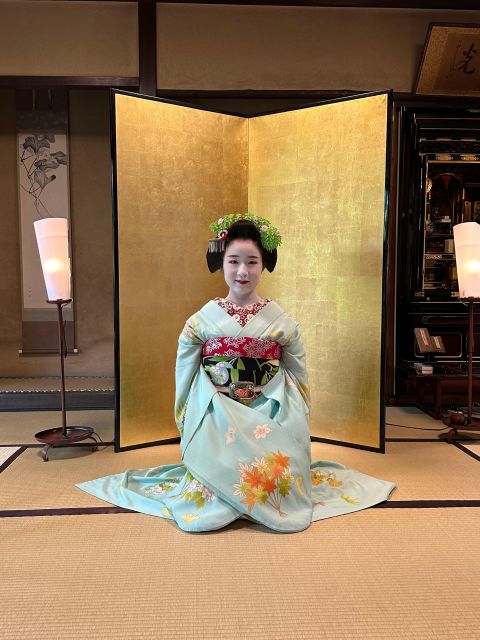
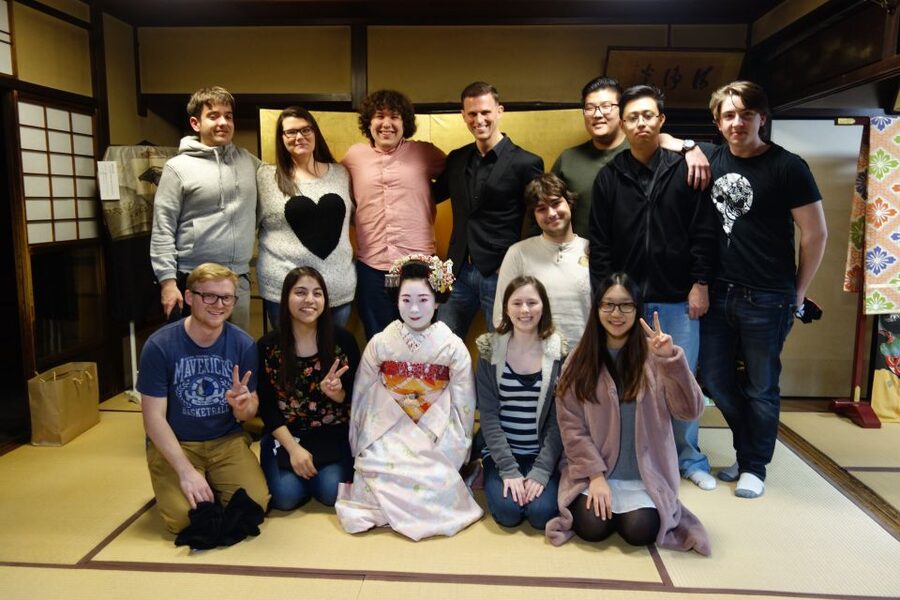
At the end, you’ll have time for commemorative photos with the maiko. This matters because maiko are generally not permitted to take photographs with the public, especially during their training routine. So yes, it’s a happy ending, but it’s also a special privilege.
The best way to handle this is simple: be ready. Think about what you want your photos to communicate—just meeting a maiko is special, but you’ll likely want a couple of different shots. The session is built for photos, so don’t stress about timing once you reach this part of the evening.
Price and Value: What $709 Buys in 2 Hours
The price listed for this experience is $709 per person, with a 2-hour duration. At that cost, you should judge value based on three things: access, authenticity, and how much you actually get to participate.
Here’s the honest breakdown. You’re paying for entry into a culturally landmarked machiya, a hosted tea ceremony with Uji matcha and Japanese sweets, a live buyō performance, and interactive party games led by the maiko. You’re also paying for interpreter support and culture explanation, plus the rare chance for photos with someone who’s normally off-limits.
Now the trade-off. This is not a long dinner show. There are no alcoholic drinks included, and the program is designed to be compact. If you’re the type who expects a full meal experience at this price point, you might feel short-changed. But if you’re buying access to Kyoto arts in an intimate historic setting, the value can feel much more justified.
Also worth noting: experiences like this depend heavily on communication. Some people have had a smoother language experience than others, and when translation support doesn’t match the moment, it can make the whole evening feel chaotic or overpriced. If you want maximum clarity, plan to enjoy the nonverbal parts too: tea, dance, and the rhythm of games still land even when every sentence isn’t perfectly translated.
Timing, Socks, and the Small Rules That Keep It Comfortable
This is a “be ready when you arrive” experience. You should arrive on time, and you’ll want to follow the dress and comfort rules. You must bring and wear socks. You should refrain from wearing stockings. This isn’t picky for its own sake—machiya spaces are traditionally floor-focused, and socks keep the room hygienic and comfortable.
There are also seasonal closures and limits to know ahead of time. Tondaya is closed from December 31 to January 1. And you cannot reserve an appointment with a maiko during December 29 to January 10. If you’re traveling around New Year, check your dates carefully before you get excited.
Maiko vs. Geiko: When Availability Changes Who You Meet
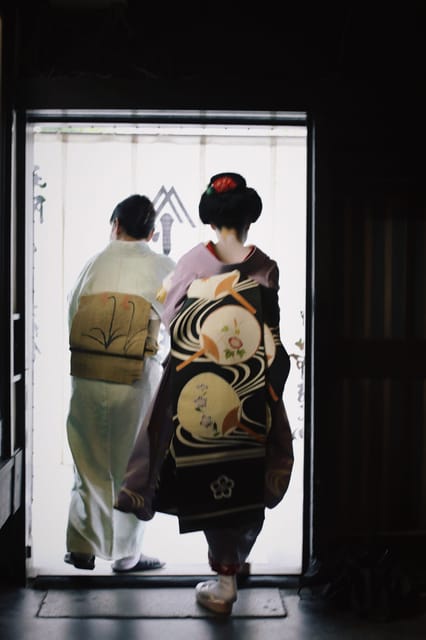
One practical detail that can affect your expectations: depending on availability, a geiko may be arranged instead of a maiko. Preferences can’t be accepted, and the maiko needs to be reserved at least ten days in advance.
This doesn’t automatically make the evening less special. The event still centers on traditional arts, tea ceremony, dance, and cultural explanation. But if your main goal is specifically meeting a maiko, plan with the understanding that dates and scheduling can shift who appears.
Language Support: How to Make Sure You Actually Follow the Story
You’ll have live tour guidance in Japanese, English, and Chinese. The team includes experts in traditional arts such as kimono, tea ceremony, calligraphy, and ikebana. Not everyone speaks English, but they aim to arrange an interpreter, and a translation device may be used when necessary.
So how should you handle it as a visitor? Don’t treat it like a lecture where you need every word. Treat it like live performance plus guided context. If you’re relaxed about the fact that not every sentence will land perfectly, you’ll still enjoy the arc: tea → dance → games → photos.
Who This Fits Best (and Who Might Want Another Plan)
This experience is a great match if you want an authentic Kyoto setting and you like arts you can see up close. You’ll especially enjoy it if you care about the etiquette and atmosphere around tea ceremony and traditional dance. The interaction—games and questions—also makes it feel less like a museum visit and more like a short, guided cultural evening.
It may not be a great fit if you want a long, meal-based evening or if you’re sensitive to language gaps. There’s also a note for mobility: it’s not suitable for wheelchair users. If mobility or accessibility is a key concern, you’ll want to choose a different experience with fewer movement constraints.
So, Should You Book Kyoto Maiko Happy Hour at Tondaya?
I’d book it if you’re chasing three things: a real Kyoto townhouse setting, a maiko-led tea ceremony with matcha and sweets, and the rare chance for photos with a maiko. This is the kind of cultural access that’s hard to replicate on your own.
I’d think twice if you’re mainly motivated by a perfectly translated script in English or you expect a bigger food-and-drink experience. The program is short, and the value comes from participation and performance, not from an extended hangout.
If you decide to go, do two things and you’ll stack the odds in your favor: wear socks and show up ready to enjoy the rhythm of tea, dance, and games even when translation support isn’t flawless.
FAQ
How long is the Kyoto Maiko Happy Hour experience?
It lasts 2 hours.
Where do I meet for the tour?
Meet at Tondaya-Nishijin Japanese Cultural Experience Museum.
What should I bring?
You should bring socks. Please refrain from wearing stockings.
Is alcohol included?
No. Alcoholic drinks are not included.
Is this experience suitable for wheelchair users?
No. It is not suitable for wheelchair users.
What happens during the tea ceremony?
A maiko hosts a tea ceremony, serving Uji matcha and Japanese sweets.
Will I meet a maiko for sure?
Not always. Depending on availability, a geiko may be arranged instead of a maiko.
Are photography opportunities included?
Yes. The experience includes photography opportunities, including time for commemorative photos with the maiko.
What languages are available?
The live tour guide supports Japanese, English, and Chinese. Interpreter support may be arranged, and a translation device may be used when necessary.
Is it refundable if I cancel?
The activity is non-refundable. For the Maiko Happy Hour, there is a strict non-refund rule unless the cancellation is made ten days before the scheduled appointment.