REVIEW · THE BRIDGE COLLECTION
Porto: Art of Drinking WOW Museum – Drink Through History
Book on GetYourGuide →Operated by The World of Wine (WOW) · Bookable on GetYourGuide
Porto has a strange way of telling human history. This visit at WOW Porto, inside The Bridge Collection, uses the simple ritual of drinking to show how people lived, celebrated, and displayed status over thousands of years. I love the scope of the private collection (over 8,000 years) and the tone of the visit, which pairs eye-catching objects with clear stories behind each one.
The biggest thing to consider: this is mainly a museum experience—mostly looking and listening. If you’re hoping for hands-on activities or a tasting-style plan, make sure your expectations match the fact that your ticket focuses on entry and an audio guide.
In This Review
- Key things to know before you go
- Entering The Bridge Collection at WOW Porto (and getting your bearings fast)
- How the museum turns drinking into a timeline of humanity
- The audio guide: your best tool for a 90-minute visit
- What to prioritize: rare vessels, symbolism, and the human stories behind them
- How long should you plan: 90 minutes vs. a longer museum loop
- Price and value: is $18 for WOW Porto worth it?
- Who this fits best (and who might prefer something else)
- Practical tips for making your visit smoother
- Should you book WOW Porto Art of Drinking?
- FAQ
- How long is the WOW Porto Art of Drinking experience?
- How much does the ticket cost?
- Where do I show my ticket?
- What languages are available on the audio guide?
- What are the museum hours and last entrance time?
- Is the museum wheelchair accessible?
Key things to know before you go
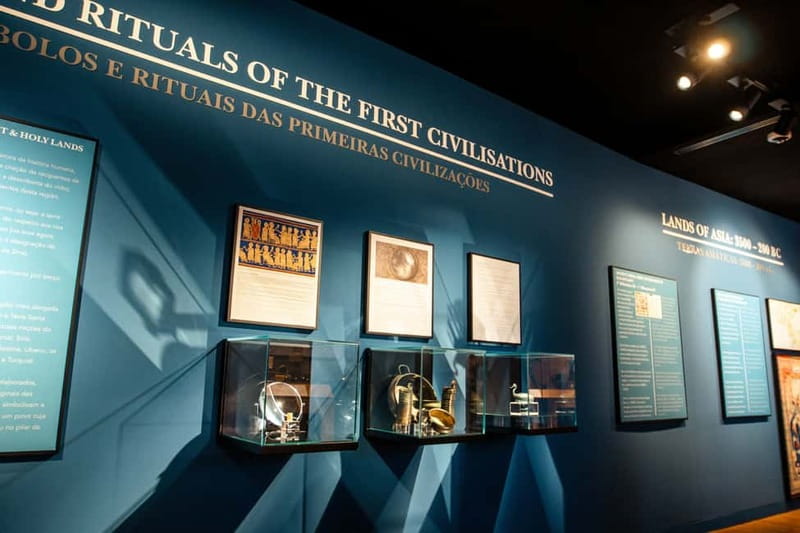
- 8,000-year private collection with artifacts dating back to 6,000 BC
- 2,000+ rare, symbolic vessels and glasses tied to real customs and ceremonies
- Audioguide included in Portuguese, English, French, and Spanish
- Stories of power and everyday life, including pieces linked to emperors, popes, aristocrats
- 90 minutes planned, with plenty of reasons to slow down if you enjoy reading
Entering The Bridge Collection at WOW Porto (and getting your bearings fast)
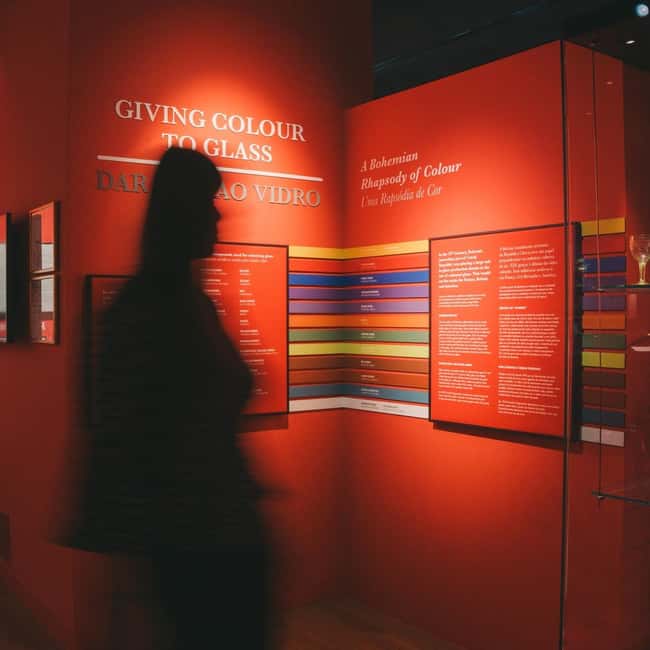
You’ll show your ticket directly at The Bridge Collection, which sits within the WOW complex in Porto. The museum is open daily from 10:00 AM to 7:00 PM, with the last entrance listed at 7:00 PM, so late afternoon still works if you time it right. Your ticket is valid on your selected date during opening hours, so you can choose a start time that fits your day.
One practical advantage for your schedule: the WOW complex is designed for wandering, and it’s not far from nearby hotels in the area. If you’re staying around Wine and Books, you can usually walk over without turning it into a whole production. That matters in Porto, where you’ll often be mixing hills, trams, and shortcuts.
The planned visit time is 90 minutes. That’s a helpful baseline, but it’s not a strict rule for how you’ll feel. If you like to pause, follow the audio, and look closely at the vessels, plan for the possibility that you’ll stretch the visit.
How the museum turns drinking into a timeline of humanity
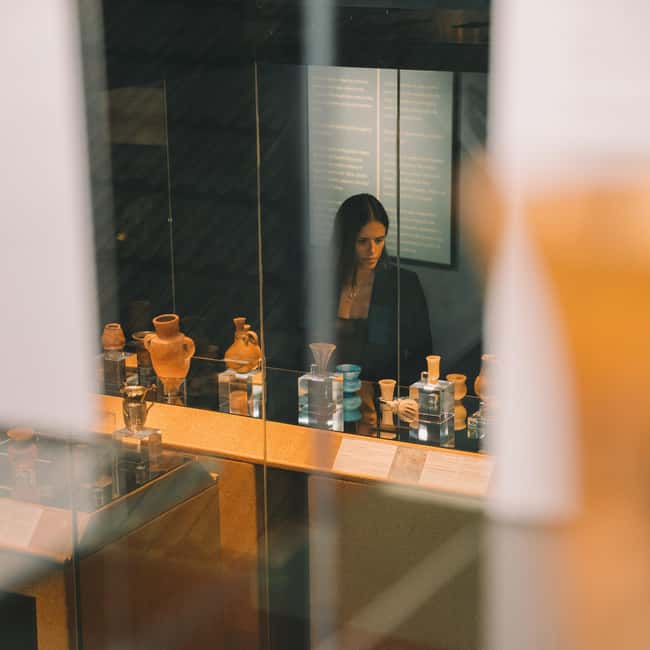
The core idea behind Art of Drinking is simple: drinking isn’t just about thirst. It’s tied to religion, politics, wealth, hospitality, and social order—and the museum uses drinking vessels to show those changes across time.
You’re looking at a private collection spanning over 8,000 years, with artifacts dating as far back as 6,000 BC. Over the course of your walk, you’ll see more than 2,000 rare and symbolic vessels and glasses, and you’ll learn what they meant to the people who used them. This is one of those museum concepts that works because the subject is familiar, even when the objects are wildly different from what you’d expect.
What I like most is that the museum doesn’t treat drinking customs like a side note. It frames them as cultural signals—how people marked ceremonies, displayed rank, and carried identity into everyday life. The stories connect the earliest civilizations to later periods like the Roman Empire, and they also reach forward to the Industrial Revolution. That sweep is part of the value: you get a sense of continuity and change, not just a pile of antiques.
And yes, the museum includes objects linked to big-name owners—pieces said to have belonged to emperors, popes, princes, and aristocrats. Even if you’re not a “royal history” person, it helps you understand how luxury and power were built into objects people held in their hands.
The audio guide: your best tool for a 90-minute visit
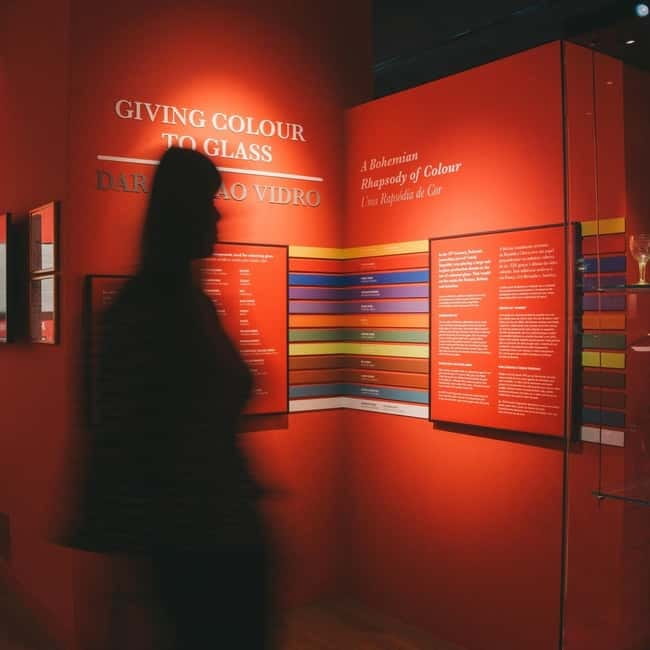
The ticket includes an audio guide, available in English, Portuguese, French, and Spanish. That’s not just a convenience; it’s the whole engine of the experience. A collection this large can easily become “look at cool stuff,” but the audio guides the attention toward symbolism and ceremony—why a vessel was shaped a certain way, and what the use would have signaled.
Here’s how I’d use it to get the most out of the time. Choose your language before you start, then stick with it. When the story shifts to a new era or custom, don’t rush past it. The museum works best when you let each section do its job: show the object, explain the role, and connect it to the culture around it.
Also, since this experience leans on listening, pace yourself. If you’re someone who reads every label and listens to every track, your 90 minutes can turn into a longer loop. That’s not a failure—that’s what you should expect if you’re enjoying it.
What to prioritize: rare vessels, symbolism, and the human stories behind them
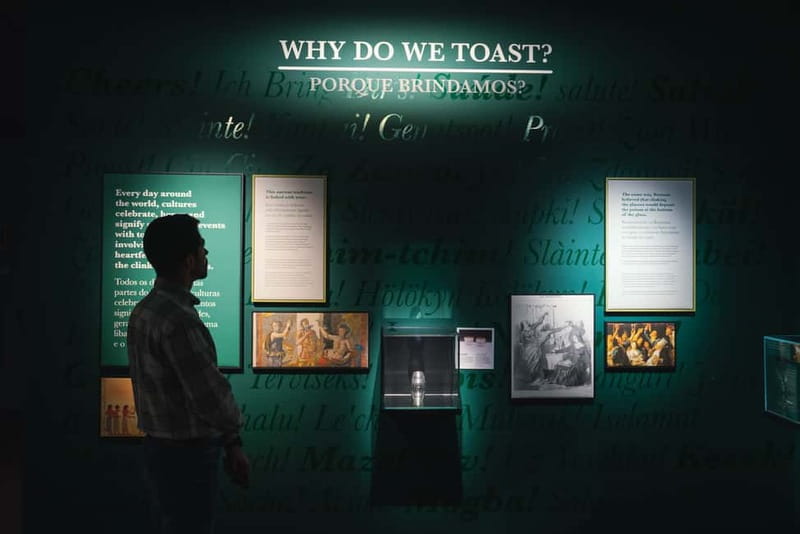
It’s easy to feel overwhelmed when a museum promises thousands of items. The trick is to focus on what the museum wants you to notice: how vessels and glasses become symbols.
I recommend you treat the collection like three layers:
First layer: the artifacts themselves. You’re seeing over 2,000 vessels and glasses, and the museum positions them as rare and often symbolic, not just decorative. That’s your visual anchor.
Second layer: the customs and ceremonies. The museum explains the traditions connected to each kind of piece. That’s where you start to notice patterns—how drinking rituals can show celebration, community, hierarchy, or ritual seriousness.
Third layer: the owners and context. The museum highlights how some items were associated with people high up in society. The point isn’t to turn this into a gossip tour. It’s to show how wealth and influence shaped the objects people drank from, stored drinks in, and used during formal moments.
A helpful way to get through it without missing the story: after you take in a section, pause once and ask yourself what the museum is teaching you. Is it a question of technology and craft? A shift in ceremonial practice? A change in who had access to certain kinds of drinking culture? If you keep that question in mind, the visit feels less like a fast walk and more like a connected timeline.
How long should you plan: 90 minutes vs. a longer museum loop
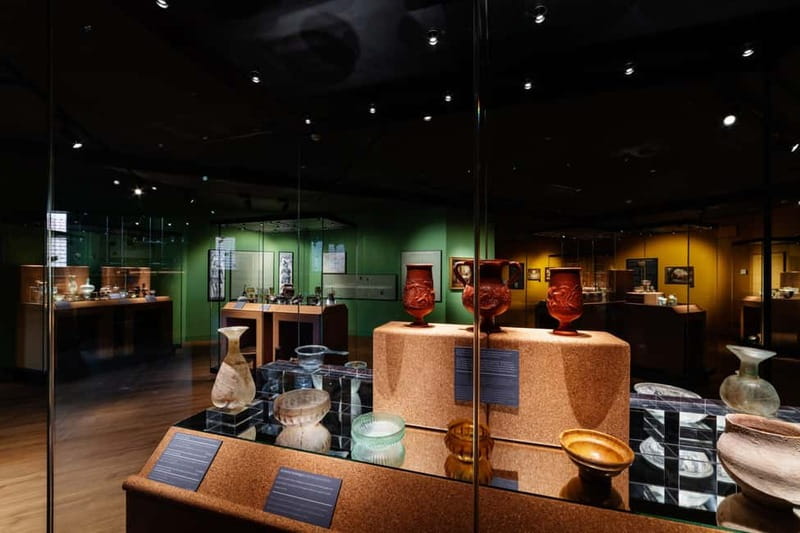
The duration is listed as 90 minutes, which suggests a comfortable “one audio pass” for most visitors. Still, this is the kind of collection where the details pull you in. One visitor noted they walked through in about two hours, especially when the exhibits feel breathtaking and the museum isn’t very crowded.
So what should you do? Give yourself a little cushion. If your day is tight, you can do the full experience inside 90 minutes by keeping movements steady and letting the audio guide you without extra label time. If you want to enjoy it properly, you’ll likely feel happiest if you treat 90 minutes as a minimum.
There’s another practical factor: crowd levels. When the museum is calmer, you’ll have an easier time stopping, listening, and taking in the vessels without constantly shifting your position. If you like quiet viewing, pick a time that isn’t at the start of the day.
Price and value: is $18 for WOW Porto worth it?
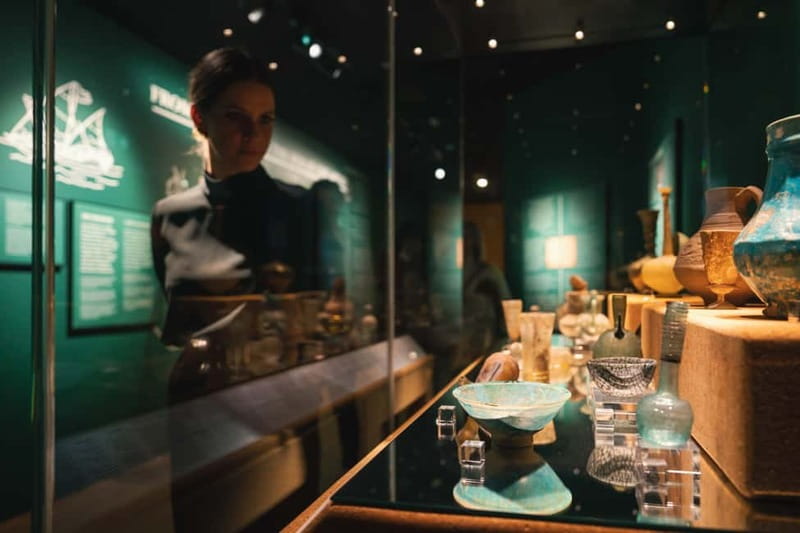
At $18 per person, this ticket is priced like an affordable museum entry—but the value is more than just “getting in.” Your money covers entry to a collection described as one of the most comprehensive and finest worldwide for drinking vessels, plus the audio guide in four languages.
What makes the price feel reasonable is the “object-to-story” ratio. You’re not paying for a single exhibit. You’re paying for access to 2,000+ vessels and glasses across a massive time range, with the museum providing context about rituals, symbolism, and customs. Even if you only catch parts of the audio, the combination of quantity and explanation gives you more than a quick glance.
If you’re a history or culture person, you’ll likely feel like you got your money’s worth because the museum’s premise is tightly focused. If your idea of a perfect visit is more interactive, you might want to check that the museum style matches what you want. But based on how the museum is designed, this is a “watch, listen, and connect the dots” plan—and that’s a solid fit for many travelers.
Who this fits best (and who might prefer something else)
This experience is a great match if you love cultural history with a human angle. The museum is built for history enthusiasts and culture lovers, and the subject matter stays grounded in something people everywhere understand: drinking rituals. You don’t need to be a specialist to follow the stories because the objects and customs give you a clear path.
It’s also a good option if you enjoy rare collections. The museum centers on rare and symbolic vessels, including items associated with high-status owners. If you like seeing how craftsmanship and status show up in everyday objects, you’ll probably enjoy the way the museum connects design to society.
Where it might not be ideal is if you’re chasing a more active day out. Since this ticket is for museum entry with an audio guide, the experience is primarily passive. There’s no indication here of drink tastings or hands-on activities included with this entry. If that’s your top priority, double-check your expectations before committing.
Practical tips for making your visit smoother
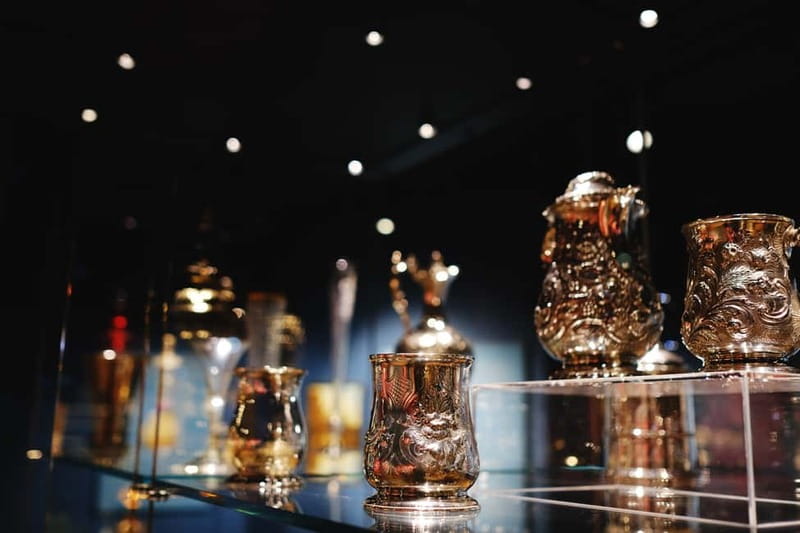
Use the audio guide as your main “thread.” If you try to read everything and listen to everything at once, time can disappear fast. Better strategy: follow the audio, then stop occasionally for a closer look at the vessel details.
Don’t feel forced to rush through eras. The collection covers huge spans—from early civilizations through the Roman period and onward to the Industrial Revolution—so it’s normal if you concentrate more on the periods that catch your attention.
And if you’re walking over as part of a broader WOW day, plan the museum like a focused block. It’s only 90 minutes on paper, but it’s the kind of place that becomes a highlight once you slow down and let the objects do their talking.
Should you book WOW Porto Art of Drinking?
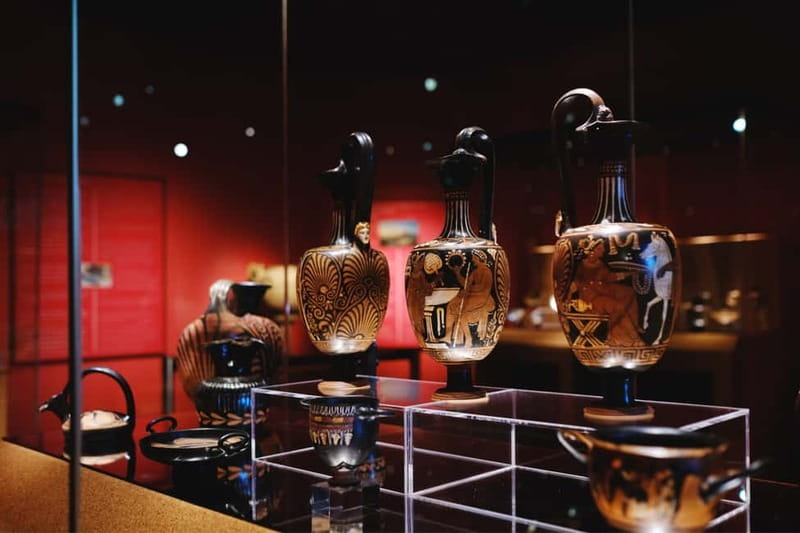
Book it if you want a focused museum visit with meaningful context. You get a serious collection—8,000 years of drinking history—with 2,000+ vessels, and the included multilingual audio guide helps you understand the customs and symbolism behind what you’re seeing.
Skip or rethink it if you want tastings or hands-on experiences, because this experience is built around viewing and listening, not active participation. Also, if your schedule is razor-thin, remember that 90 minutes can feel tight once you slow down for the best exhibits.
If you’re choosing between “another quick stop” and a museum that tells a clear story, this one is a strong pick for Porto. It turns something ordinary—drinking—into a lens for how people expressed identity, power, and tradition across time.
FAQ
How long is the WOW Porto Art of Drinking experience?
The duration is listed as 90 minutes.
How much does the ticket cost?
The price is $18 per person.
Where do I show my ticket?
Show your ticket directly at The Bridge Collection.
What languages are available on the audio guide?
The audio guide is available in Portuguese, English, Spanish, and French.
What are the museum hours and last entrance time?
The museum is open daily from 10:00 AM until 7:00 PM, with the last entrance at 7:00 PM. Opening hours can vary on bank holidays, so it’s worth checking the official website.
Is the museum wheelchair accessible?
Yes, the experience is wheelchair accessible.