REVIEW · POGGIBONSI
Wine Tasting & Tuscan Lunch – Food and Drinks included
Book on Viator →Operated by Bottega Torciano · Bookable on Viator
Wine and lunch, Tuscan style, in two hours. I like how this Bottega Torciano stop pairs a 3-course Tuscan lunch with tastings across key regions, from Chianti Classico to Brunello. One caution: the meeting point in Poggibonsi isn’t the full “vineyard photo” moment for everyone, and a couple of details around arrival and setup can feel a bit chaotic if you expect to be greeted right at the venue door.
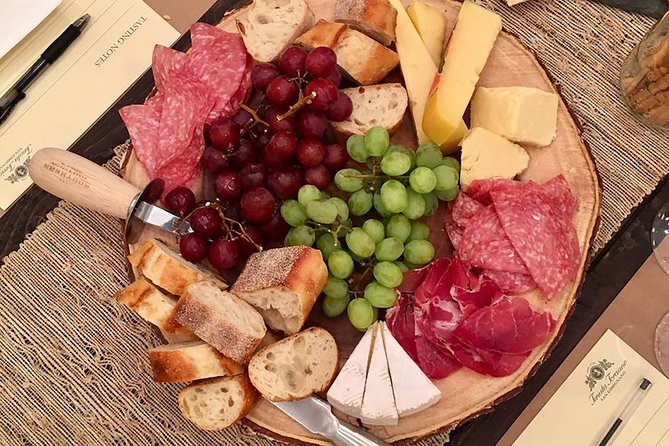
Still, I really enjoy the hands-on food focus. You don’t just sip wine in the abstract here—you sample local cheeses, salami, bruschetta, homemade pasta, roast meat with vegetables, and then finish with cantuccini and dessert wine, with olive oil and balsamic tastings that help you taste Tuscany beyond grapes.
In This Review
- Key highlights to plan around
- Bottega Torciano in San Gimignano: great food, but manage your expectations
- The wine lineup: what you’ll taste and how it helps you read Tuscany
- What the mix means (so it feels less random)
- Pro tasting tips you can use after lunch
- The lunch: 3 courses built for real appetite
- Course 1: cheese, salami, bruschetta, then fresh pasta
- Course 2: roast meat and vegetables
- Dessert: cantuccini with dessert wine
- Olive oil and balsamic: the Tuscany test you can actually taste
- Why oil tasting is smarter than it sounds
- The learning payoff: reading DOCG vs IGT without turning it into homework
- Price and value: what you get for $60.25
- Timing and getting there: how to avoid the common arrival hiccup
- Who this suits best (and who should think twice)
- What to bring and how to enjoy the tasting without feeling rushed
- Should you book this Tuscan wine tasting and lunch?
- FAQ
- How long is the Wine Tasting & Tuscan Lunch?
- Where does the tour start?
- Is lunch included?
- What’s included besides wine?
- Which wines are included in the tasting?
- Do I need to arrange hotel pickup or transportation?
- What’s the minimum drinking age?
- Can I get a full refund if I cancel?
Key highlights to plan around
- A 3-course Tuscan lunch matched to wine tastings, not separate activities
- A wide wine lineup that covers major Tuscany styles and labels like Chianti Classico and Vernaccia of San Gimignano
- Olive oil and balsamic tasting including white truffle, hot pepper, and aged balsamic vinegar
- Wine-region learning built into the tasting, so it’s useful whether you’re new or returning
- Private setup for your group, making it easier to ask questions during the pour
Bottega Torciano in San Gimignano: great food, but manage your expectations
The big draw of this experience is simple: it’s Tuscan dining with wine, set around Bottega Torciano in the San Gimignano area. The setting is described as a beautiful place for wine, and the overall tone is comfortable—more “lunch with a teaching moment” than “formal classroom.”
That said, not everyone finds the scenery they expect. One important heads-up: a review mentioned a busy road near the meeting area and that there weren’t visible vineyards on arrival. If you’re booking hoping for a postcard view of rows of grapevines right outside the tasting room, you may feel slightly underwhelmed. If your goal is flavor, variety, and good pacing, you’ll likely be happier.
Also, it’s worth knowing that this isn’t set up like a hotel pickup day trip where everything is pre-sorted for you. The experience starts at a meeting point in Poggibonsi, then you end up at the venue. That structure can be smooth—or not—depending on timing and how quickly the team links up with your group. If you hate uncertainty, go in with a flexible mindset and give yourself a little extra time to get your bearings.
The wine lineup: what you’ll taste and how it helps you read Tuscany
This tasting is built around a smart mix of Tuscany standards and regional benchmarks. You’ll sample multiple varietals and styles, including both DOCG and broader IGT categories. The labels on the table (and in your glass) are the learning tool.
Here’s what’s on the tasting list:
- Brunello di Montalcino D.O.C.G.
- Chianti D.O.C.G.
- Chianti Classico D.O.C.G.
- Chianti Classico Riserva D.O.C.G.
- Vernaccia of San Gimignano D.O.C.G.
- Vino Nobile of Montepulciano D.O.C.G.
- Montepulciano D.O.C.G.
- Cabernet Bartolomeo Riserva I.G.T.
- Merlot Baldassarre Riserva I.G.T.
- Syrah Cavaliere Riserva I.G.T.
- Dessert wine
What the mix means (so it feels less random)
You’ll likely notice that Tuscany is not one single taste. It’s more like a patchwork.
- Chianti family wines (Chianti, Chianti Classico, and Riserva) help you compare the same “home base” idea at different quality tiers. If you pay attention to structure—acidity, tannins, and how long flavors linger—you’ll start to “read” the glass without having to memorize tasting notes.
- Brunello di Montalcino brings a bigger, more serious mood. Even if you don’t fully understand the technical side, you can still taste why people build trips around it: deeper fruit, more weight, and more time needed to open up in your glass.
- Vernaccia of San Gimignano is the curveball (in a good way). It’s the local white that helps you learn Tuscany isn’t only red grape country.
- Vino Nobile di Montepulciano and Montepulciano let you compare two labels that sound similar but don’t always act the same on your palate. This is where guided learning really pays off because your tongue can feel differences faster than your brain can explain them.
Pro tasting tips you can use after lunch
The experience is described as including wine tasting techniques and learning about distinct winemaking regions. Even without a deep-nerd format, you can pick up a few practical habits:
- Taste in order (lighter to heavier, simpler to more complex) so you’re not fighting your own palate.
- Pause between pours. If you keep chewing the entire time, you’ll blunt the wine’s aroma and miss the differences the guide is pointing out.
- Don’t overthink it. The point is to connect what you’re tasting to where it comes from.
The lunch: 3 courses built for real appetite
The lunch portion is where the value really shows. It’s not a tiny snack plate. It’s structured like a proper Tuscan meal, with foods designed to match the wines as you go.
Course 1: cheese, salami, bruschetta, then fresh pasta
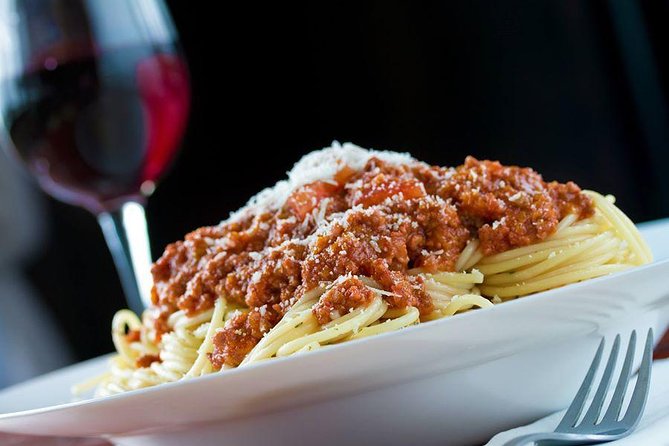
You start with local cheese, salami, bruschetta, and another snack. Then you move into the first course with fresh homemade pasta. This pacing matters. The cured meats and cheese get your palate ready for the wine without drowning you in heavy flavors right away.
If you’re the type who gets hungry waiting for wine pours, you’ll probably appreciate this sequence. It keeps you from needing to “white-knuckle” the meal until the later courses.
Course 2: roast meat and vegetables
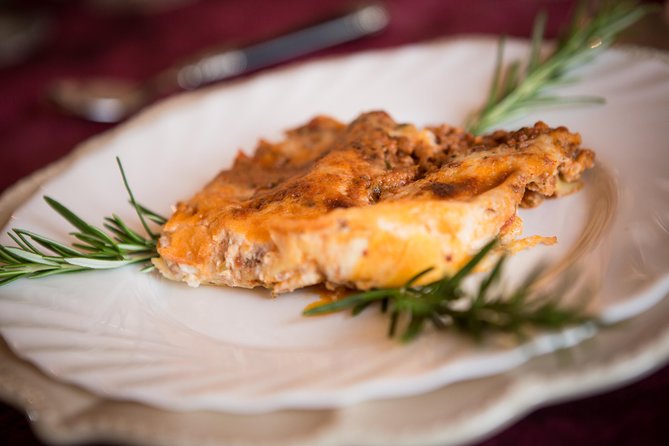
Next comes the second course: roast meat with vegetables. This is your main-course anchor. It’s also the moment when red wines often make the most sense, because tannin and acidity tend to feel smoother when paired with savory, cooked foods.
If you’re sensitive to strong flavors, just plan to take breaks between pours. Not because the wine is harsh—because your dinner schedule is now underway.
Dessert: cantuccini with dessert wine
Finally, you get cantuccini cookies with dessert wine. This ending is classic Tuscany-style: crunchy almond cookie plus something sweet to close the loop.
One practical note: dessert wine can taste concentrated. Sip, enjoy, and then give yourself a moment before you decide to go back for another pour if offered.
Olive oil and balsamic: the Tuscany test you can actually taste
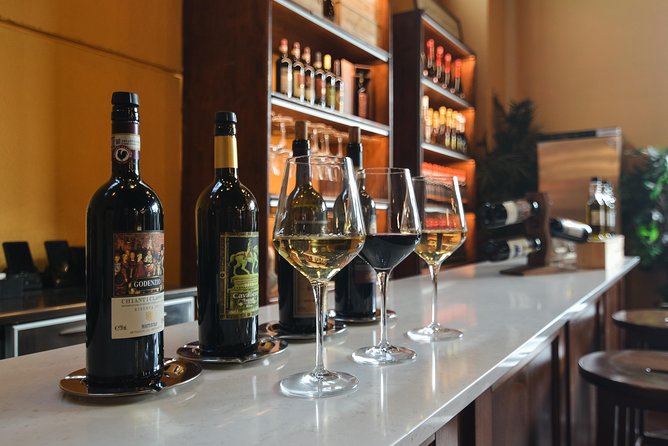
Wine is the headline here, but the oil and vinegar tastings are what make it feel like you’re learning something you can recreate at home.
You’ll sample:
- Cold pressed, extra virgin olive oil
- White truffle olive oil
- Hot pepper olive oil
- Aged balsamic vinegar
Why oil tasting is smarter than it sounds
Olive oil is a Tuscany lesson with immediate feedback. When you taste cold-pressed extra virgin, you’re learning the baseline: peppery notes, bitterness, and the fresh grip on the palate.
Then the flavored oils do something useful: they show you how aroma changes perception. White truffle oil often smells more “luxury” than it tastes, while hot pepper oil brings direct heat. Balsamic vinegar is also a different category entirely—sweet, tangy, and sticky—so it stops you from thinking all flavor experiences are the same.
If you like cooking, this is where you’ll leave with practical instincts for pairing: oil for bread and finishing, balsamic for balance, and the flavored oils for small upgrades.
The learning payoff: reading DOCG vs IGT without turning it into homework
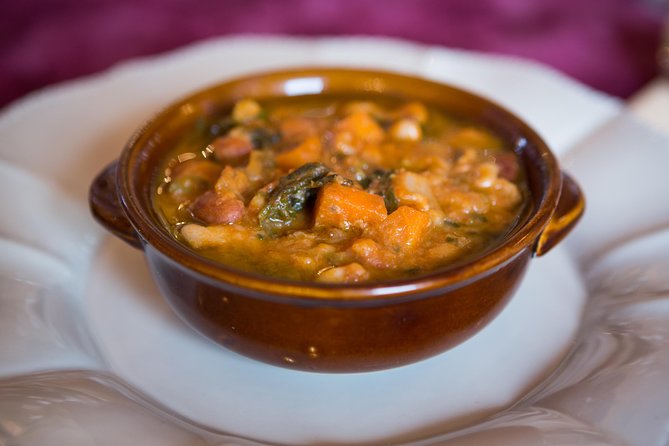
The tasting is designed to teach. The good part is that it doesn’t require you to already know the system. You can follow along because the wines themselves are the lesson.
Here’s the basic map you’ll likely absorb as you taste:
- DOCG is the tighter, stricter quality category—often linked with long-standing tradition and defined production areas.
- IGT tends to be broader in scope. It’s still quality, just with more flexibility in where grapes can come from or how winemaking choices are framed.
Seeing both categories during one meal helps you stop treating Tuscany like a single brand. You start realizing it’s a range: strict classics, local pride, and creative or international-leaning styles like Cabernet, Merlot, and Syrah.
And because you’re drinking in sequence—plus eating in between—you’ll remember it more than if you just read a label brochure.
Price and value: what you get for $60.25
At $60.25 per person, you’re paying for more than a “wine flight.” You’re getting:
- Wine tasting of multiple Tuscan varietals and styles
- Olive oil and balsamic tastings
- A full 3-course lunch (not just an appetizer)
If you’ve ever compared casual wine tastings versus actual meals in Italy, the value becomes clearer. A standalone tasting can easily feel like you’re paying for the pour but not the table. Here, the food is substantial and built into the timing.
The main reason value could feel off is the logistics piece. If you arrive expecting the venue at the meeting point and you end up delayed, that eats into the pleasant part of the experience. But if everything clicks, this is a strong deal for a short, guided, flavor-heavy afternoon.
Timing and getting there: how to avoid the common arrival hiccup
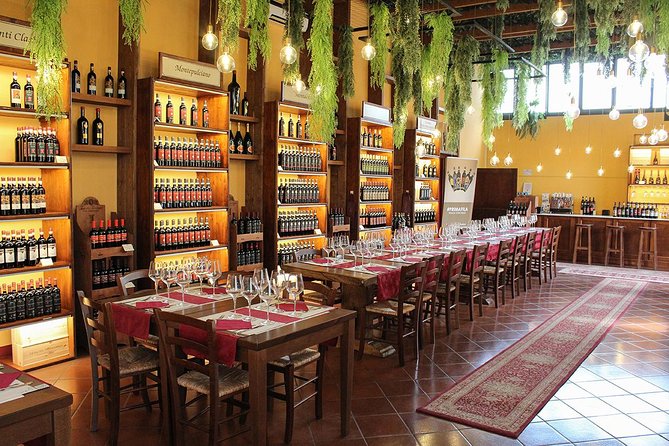
The tour runs roughly 2 hours and operates 10:00 AM to 2:30 PM daily (with service windows covering multiple dates). It ends back at the meeting point.
That schedule is convenient, but the meeting setup matters. The start is listed at SP1, 24 in Poggibonsi, Italy. Reviews include a key caution: one person reported that they weren’t met right away and that the tasting setup wasn’t ready when they arrived. In that situation, they were told it was a pickup point and that transport to the venue might cost extra.
So here’s the practical advice:
- Arrive a few minutes early and give yourself time to confirm you’re in the right place.
- Keep your confirmation accessible. (It’s a mobile ticket.)
- If you don’t see your group contact immediately, ask quickly where to wait and how you’ll get to the tasting room. Don’t assume it’s automatic.
Once you’re seated, you’ll likely find the actual tasting and meal flow smooth.
Who this suits best (and who should think twice)
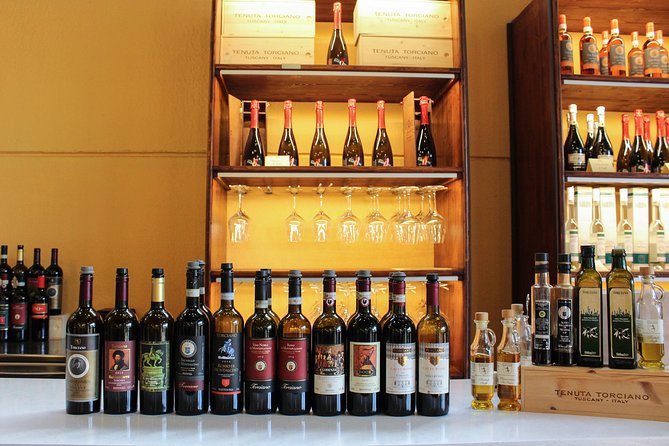
This is a great fit if:
- You want wine education paired with real food, not just a quick tasting.
- You like variety across Tuscany—reds, plus Vernaccia of San Gimignano as the notable white.
- You enjoy food tastings—cheese, salami, pasta, roast meat—plus hands-on oil and vinegar samples.
It’s less ideal if:
- Your main goal is a countryside vineyard view. Some expectations around scenery may not match reality.
- You hate any uncertainty about where exactly you’ll be during arrival. Since the meeting point is in Poggibonsi and the venue isn’t always “front door obvious,” plan to coordinate.
If you’re traveling with a group that wants structure for an afternoon—this private tour format can feel more relaxed than larger bus-style tastings.
What to bring and how to enjoy the tasting without feeling rushed
You’ll be drinking wine, so pace yourself. Even if the tastings are guided and guided well, you’re still sampling multiple bottles in a short window.
My advice:
- Eat at the start. The first course is food-forward, and it helps the tasting feel balanced.
- Sip slowly, then take a bite. The food courses are there for a reason.
- Wear comfortable shoes. You’re in and out of seating and tasting stations, and the day can move quickly.
Also, if you have any intolerance or allergies, you should alert the staff during booking and again before the event. This is the one thing you shouldn’t try to handle on the fly.
Should you book this Tuscan wine tasting and lunch?
Yes, if you want an efficient Tuscan experience where lunch isn’t an afterthought. The best part of this tour is the pairing: wine across multiple Tuscany labels + a real 3-course lunch + olive oil and balsamic tastings that teach you what Tuscany tastes like beyond grapes.
Book with a little caution if your top priority is scenery at the door or if you can’t tolerate a rough start to arrival. The meeting point structure in Poggibonsi and reports about setup timing mean you’ll want to stay flexible for the first few minutes.
If you fit the first group, this is a very solid way to spend about two hours in the San Gimignano area—tasting widely, eating well, and leaving with flavors you can name.
FAQ
How long is the Wine Tasting & Tuscan Lunch?
The experience lasts about 2 hours.
Where does the tour start?
The meeting point is SP1, 24, 53036 Poggibonsi SI, Italy. The activity ends back at the meeting point.
Is lunch included?
Yes. Lunch is included and features a 3-course meal.
What’s included besides wine?
You’ll also taste olive oils (including cold pressed extra virgin, white truffle olive oil, and hot pepper olive oil) and aged balsamic vinegar, along with the wine.
Which wines are included in the tasting?
The tasting list includes Brunello di Montalcino, Chianti, Chianti Classico, Chianti Classico Riserva, Vernaccia of San Gimignano, Vino Nobile of Montepulciano, Montepulciano, Cabernet Bartolomeo Riserva, Merlot Baldassarre Riserva, Syrah Cavaliere Riserva, and dessert wine.
Do I need to arrange hotel pickup or transportation?
No. Hotel pickup and drop-off and transportation are not included.
What’s the minimum drinking age?
The minimum drinking age is 18.
Can I get a full refund if I cancel?
Yes. You can cancel for a full refund up to 24 hours in advance of the experience’s start time.