REVIEW · ROME
Day drinking in Rome & Scandalous Roman History
Book on Viator →Operated by When in Rome - Adventures · Bookable on Viator
Rome hits differently when the history comes with a drink. This tour strings together free sights like Giardino degli Aranci, the keyhole view of St. Peter’s dome, and the Mouth of Truth with included white and red wine plus amaro and lemoncello shots. You also get a guide’s stories that lean into the more scandalous side of Rome, so the day feels less like a checklist and more like a fun, talky walk.
I especially like the payoff-per-minute: you stop briefly, learn something real, then move on while you’re already in the right frame of mind. Ginevra and Nina have both been singled out for making the vibe relaxed and flexible in small groups (up to 10). One consideration: this is built as a drinking tour, so if you want a completely dry sightseeing day, the included alcohol won’t match your style. Also, it’s only 2 hours 30 minutes, so each stop is short and you’ll need to enjoy the highlights quickly.
In This Review
- What makes Day drinking in Rome feel different
- A 2.5-hour Rome day that turns monuments into a story
- Giardino degli Aranci: Rome’s best view to start strong
- Buco della Serratura: the keyhole moment for St. Peter’s dome
- Tempio di Ercole Vincitore and Bocca della Verità: ancient Rome in compact hits
- Isola Tiberina: the river-island break that changes the vibe
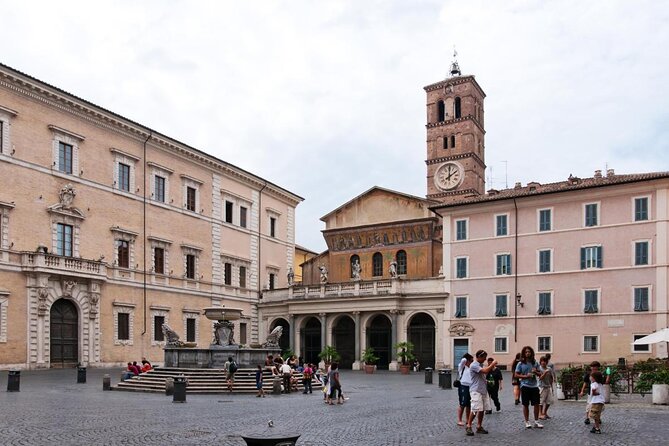
- Trastevere and Santa Maria in Trastevere: the finale with a sweet goodbye shot
- The included wine and shots: why they’re part of the “history” here
- How a small-group format changes the guide experience
- Value check: is $66.16 a good deal for Rome?
- Who should book this Rome day drinking history tour?
- Should you book it?
- FAQ
- How long is the Day drinking in Rome tour?
- How much does it cost per person?
- Is the tour in English?
- What’s included in the tour besides the guide?
- Where do we meet, and where does the tour end?
- Do the stops require paid admission?
- How big is the group?
- Is the tour a good fit if I have mobility concerns?
- What is the cancellation policy?
What makes Day drinking in Rome feel different
- A tiny group max of 10 keeps the pacing relaxed and the conversation possible
- Included wine, amaro, and lemoncello means you’re not hunting for drinks mid-walk
- Monuments with no admission listed for the stops on the route
- Keyhole St. Peter’s dome view gives you a classic photo angle fast
- An ending in Trastevere with Santa Maria in Trastevere and a final sweet goodbye shot
A 2.5-hour Rome day that turns monuments into a story
At $66.16 per person for about 2 hours 30 minutes, you’re paying for three things at once: a route that stays efficient, an English-speaking guide, and drinks that are actually part of the plan. Rome is famous for looking good in photos, but this tour leans harder on the human side of the city. The guide uses the sites to tell what Rome was like, including the messy, dramatic parts suggested by the tour theme.
You’ll start at Giardino degli Aranci in the Piazza Pietro D’Illiria area, then finish in Trastevere. That start-to-finish path matters. You’re not doubling back. You’re moving from one iconic view point toward a neighborhood that’s known for lingering—so the day naturally ends where people want to keep walking and eating.
Also, this tour uses a mobile ticket and meets near public transportation, which helps on days when you don’t want to spend half your time figuring out logistics.
Finally, keep your expectations realistic. The stops are short. You’re not going to linger for long museum-style time. Instead, you get quick, memorable moments—paired with sips—that make the city feel personal without turning into a marathon.
You can also read our reviews of more drinking tours in Rome

Giardino degli Aranci: Rome’s best view to start strong

The tour opens at Giardino degli Aranci for about 30 minutes, and the big reason is simple: it’s a view stop. You get a chance to look over Rome and reset your bearings before you start hitting the more specific landmarks.
Why I like starting here: it frames the whole day. When you can see the city spread out, the later sights feel connected instead of random. You’re also getting a slightly calmer start than you’d get if the route began deep in the busiest streets.
Practical detail: the tour lists admission as free for this stop, so you’re not adding surprise costs on top of the ticket price. And since you’ll be together with the guide, you’re more likely to know where to stand for photos instead of wandering around trying random angles.
One more thing: the Garden of the Aranci is popular. Even with a small group, you’ll want to arrive ready to stand, look, and move when the guide calls you over. If you pick an evening departure (some people do choose the 8pm slot), this sort of view can feel extra good—soft light, fewer harsh shadows, and that I-want-to-stay-here mood.
Buco della Serratura: the keyhole moment for St. Peter’s dome
Next is Buco della Serratura, a quick stop of around 15 minutes. This is where you’ll hunt for the famous “hole” view—specifically, the angle where you can see the dome of St. Peter’s Basilica through the keyhole.
This is one of those Rome moments where the payoff is instant. You don’t need to read a book or decode architecture. You show up, line up where the guide tells you to stand, and then you see the dome framed in a way most visitors miss.
The tour keeps it efficient: you get the “where” and the “how to look” without wasting time. And because it’s short, you can stay curious without getting impatient. It’s also a nice breather from longer walks since you’re mostly standing and focusing on one exact sightline.
As a bonus, the day-drinking element makes this stop even more fun. People often laugh about the idea of lining up for the view—yes, there’s a playful joke nickname for this spot—and that energy helps the “history + alcohol” blend feel like a party instead of a lecture.
Tempio di Ercole Vincitore and Bocca della Verità: ancient Rome in compact hits
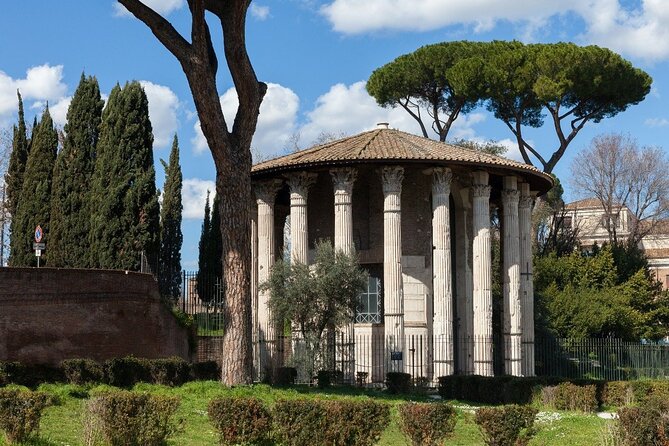
After the keyhole view, you move to Tempio Di Ercole Vincitore for about 15 minutes. The tour describes it as Rome’s oldest building, which is a bold label—so even if you don’t remember every detail, you’re going to feel the weight of the claim the moment you’re there. This stop is essentially your ancient-Rome grounding. The guide uses the site to connect what you’re seeing with what Rome became over time.
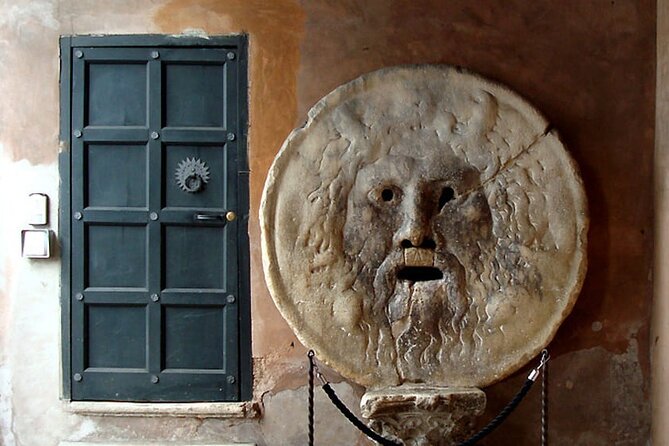
Then you’ll head to Bocca della Verità for another 15 minutes. This is where you get the famous Mouth of Truth sculpture.
Here’s why these two stops work back-to-back: they’re both recognizable, but they’re different types of “famous.” One is older and architectural. The other is instantly iconic because it’s a sculpted face people want to see and photograph. In a short format, pairing them helps your brain register the city faster—you’ll stop, look, and then keep going instead of getting stuck in information overload.
For both stops, the tour lists admission as free, so you’re not shopping tickets or waiting for entry windows. That’s real value in Rome, where time lost to lines and confusion adds up fast.
Isola Tiberina: the river-island break that changes the vibe
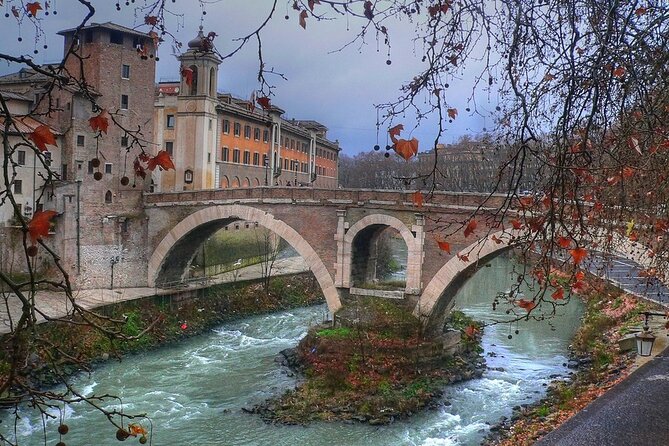
About 20 minutes are set aside for Isola Tiberina, the Tiberina Island in the middle of the Tiber river. This is your scene shift stop. Instead of stacking one landmark after another, you get a different physical setting.
Why you’ll enjoy it: Rome can feel like endless stone streets. A river island gives you a mental reset. It’s a break in the walking rhythm and a chance to look outward rather than only toward buildings. Even if you’re moving quickly through the day, this stop makes the route feel varied.
It also adds a storytelling angle. A river island in the center of the city isn’t just a pretty postcard—it suggests how Rome’s geography shaped movement, settlement patterns, and daily life. The guide’s role here is to translate that into simple, talkable context while you’re standing there with everyone else.
The stop is listed as free of admission, and it’s timed tightly. Don’t plan on turning it into a long stroll. Treat it like a breath, a look, and a moment to re-group before you head toward Trastevere.

Trastevere and Santa Maria in Trastevere: the finale with a sweet goodbye shot
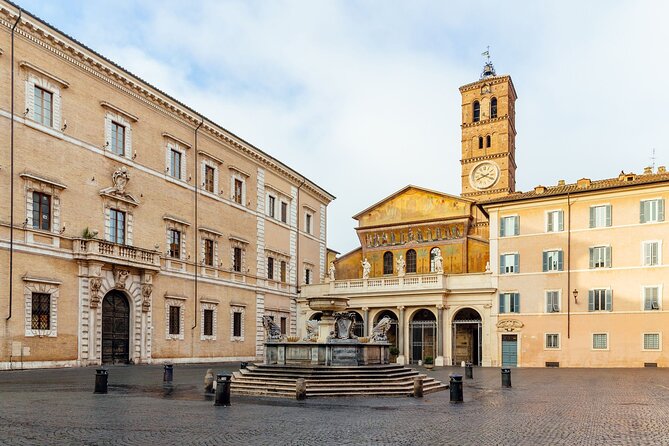
The tour finishes in Trastevere and includes a visit to Basilica di Santa Maria in Trastevere for about 30 minutes. This is where the day shifts into a slower neighborhood pace, even though your tour time is limited.
The tour also includes a final element that people remember: the guide offers the last shot as a sweet goodbye. That “wrap it up together” ritual matters more than you’d think. In Rome, tours can end abruptly with a sign and a walk-off. Here, you get a clean landing, and the ending location is meaningful. Trastevere is the kind of place where you naturally want to keep going after the structured part ends.
If you care about food and evening atmosphere, this end point is smart. You’re not stuck near the start of the city’s tourist gravity. You’re placed into a neighborhood where you can pivot from sightseeing into actual life: casual wandering, snacks, and finding somewhere to sit.
The included wine and shots: why they’re part of the “history” here
This tour isn’t just guided sightseeing with optional alcohol. It’s built around the idea that Rome is meant to be tasted and experienced, not only looked at.
You’ll get white and red wine, plus a shot of amaro and a lemoncello shot. The lineup has a classic Italian logic: wine for the easy sip, amaro for the bitter-herbal hit, and lemoncello to finish with something bright. That progression fits the route rhythm too. Early in the day, wine makes the pace feel relaxed. Later, the shots feel like a celebration of the day’s small victories.
What I like for your planning: since drinks are already included, you don’t need cash-ready spontaneity at every corner. That reduces decision fatigue. You also get to stay with the group instead of breaking off to find a bar.
One note to consider: because the alcohol is part of the experience, you’ll want to think about how much you want to drink. The tour is short, and you’ll be standing and moving between stops. If you’re sensitive to alcohol or prefer to keep it light, you can still enjoy the experience, but plan your pace and water accordingly.
How a small-group format changes the guide experience
With a maximum of 10 travelers, this is the opposite of a mass-departure vibe. You’ll likely have more personal attention, and the guide can adjust the moment-to-moment pacing when needed.
That kind of flexibility is part of why people praise certain guides. Both Ginevra/Ginerva and Nina show up repeatedly for keeping things informal and fun, and for giving small-group flexibility that makes the tour feel less rigid.
Practically, this means:
- You’ll get help with what to look for at each stop, not just where to stand.
- You’re more likely to ask questions and have the guide respond on the spot.
- The tour feels like a shared afternoon instead of a timed bus route.
And because the tour includes multiple “famous” landmarks and “scandalous history” style storytelling, the guide matters. In this kind of format, your guide turns the sites into connections. Without that storytelling, you’d just be standing at view points. With it, each stop becomes a chapter.
Value check: is $66.16 a good deal for Rome?
Let’s be blunt. Paying $66.16 for a walking tour is either a great value or a questionable choice, depending on what’s included.
Here’s what you do get:
- A 2 hours 30 minutes guided route through major sights
- Included drinks: wine (white and red) and shots (amaro and lemoncello)
- A stop list that’s marked free admission for each site
- Small group size (up to 10)
- English-speaking guide and a mobile ticket
For me, that combination is the value. The drinks alone can add up fast if you were trying to buy them yourself along the way. Then you also get the route efficiency—starting at one view point, moving through iconic sights, and ending in Trastevere.
The main cost risk is matching your preferences. If you don’t want alcohol or you prefer a quiet, museum-style pace, you might find the format doesn’t fit. But if you want a social, outdoor Rome afternoon with history that doesn’t feel stiff, this is the kind of pricing that makes sense.
Who should book this Rome day drinking history tour?
This tour fits you well if:
- You want an easy afternoon structure with built-in stops
- You like stories tied to real locations, not just facts read off a screen
- You’d enjoy seeing Rome from viewpoints like Giardino degli Aranci
- You’re happy with a short, efficient visit at each landmark (15 to 30 minutes)
It might not fit if:
- You want a fully non-alcoholic experience (alcohol is included)
- You hate short stops and prefer long time at fewer places
- You’re looking for a museum-heavy plan rather than outdoor landmark viewing
Also, the tour lists a moderate physical fitness level. Translation: you should be comfortable standing and walking between stops for a couple of hours.
Should you book it?
Yes, if you want a playful Rome afternoon where the guide actually stitches the sights into a narrative. Starting at Giardino degli Aranci, getting the keyhole St. Peter’s dome view, and ending in Trastevere with a final shot is a smart way to cover a lot without feeling rushed by crowds.
If you’re unsure, make the decision based on one question: do you want wine and shots as part of your sightseeing day? If the answer is yes, this tour’s mix of free stops, small-group feel, and quick storytelling hits the sweet spot. If the answer is no, you’ll probably feel like you’re paying for something you won’t use.
FAQ
How long is the Day drinking in Rome tour?
The tour lasts about 2 hours 30 minutes.
How much does it cost per person?
It costs $66.16 per person.
Is the tour in English?
Yes, the tour is offered in English.
What’s included in the tour besides the guide?
The tour includes alcoholic beverages: white and red wine, an amaro liquor shot, and a lemoncello liquor shot.
Where do we meet, and where does the tour end?
You start at Giardino degli Aranci in Piazza Pietro D’Illiria, 00153 Roma RM, Italy, and you end in Trastevere, Rome.
Do the stops require paid admission?
The listed stops are marked as Admission Ticket Free.
How big is the group?
The tour has a maximum of 10 travelers.
Is the tour a good fit if I have mobility concerns?
It’s listed for travelers with a moderate physical fitness level, so you should be comfortable with walking and standing during the stops.
What is the cancellation policy?
You can cancel for a full refund up to 24 hours in advance of the experience start time, and free cancellation is available.