REVIEW · LONDON
Booze, Brothels & the Bard: London’s Bawdy Borough
Book on GetYourGuide →Operated by Historic London Tours · Bookable on GetYourGuide
A walk through London’s naughty centuries. This Booze, Brothels & the Bard tour turns Southwark and Bankside into a story of prisons, brothels, and theatre history, from the Marshalsea to Shakespeare’s Globe. I love how tightly the guide links each location to the people who lived there, from Dickens to the ghost stories and nicknames that still flavor the streets. I also like the pace: it’s short talks at many spots, so you leave with a mental map of a thousand years in just 2 miles. One consideration: it’s adult-leaning, and it’s not suitable for children under 13.
You start just outside Borough Station (look for the Historic London Tours sign on Borough High Street) and finish at Shakespeare’s Globe, with a small group size capped at 15. That matters because the route is only about two miles total, so you get moving time without feeling rushed at each stop.
On the guide front, the best part is how the talking stays clear and human. In past departures, guides like Tom Currie have been praised for being friendly, funny, and quick to answer questions without turning the walk into a lecture.
In This Review
- Key highlights worth your time
- Southwark’s bawdy map: why this walk feels different
- The route in plain terms: 2 hours, about 2 miles, lots of stops
- Borough Station to Marshalsea: punishment, power, and the human cost
- Hop Exchange and the George Inn: everyday business in a rougher district
- Borough Market: the oldest market energy, with a guide’s crowd skills
- Old Operating Theatre and Southwark Cathedral: life, death, and belief
- London Bridge and the Bishop of Winchester’s palace remains
- Clink Prison Museum: the second prison, the clearer story
- Original Globe Theatre site to Shakespeare’s Globe: the Bard in the middle of it
- Price and value: what $26 buys you in London
- Who this tour suits best
- Should you book Booze, Brothels & the Bard?
- FAQ
- How long is the tour?
- Where do I meet the guide?
- Where does the tour finish?
- How far do we walk?
- How many people are on the tour?
- Is it suitable for children?
- What language is the live guide in?
- Can I cancel or pay later?
Key highlights worth your time
- Two notorious prisons you can still picture at Marshalsea and Clink
- Crossbones Garden and nearby sites that explain Southwark’s reputation
- Borough Market plus stops like the Old Operating Theatre and Southwark Cathedral
- Winchester Palace remains and the story of the Bishop of Winchester
- Shakespeare’s Globe Old and New, including the original Globe Theatre site
Southwark’s bawdy map: why this walk feels different
Southwark sits across the river from the City of London, and for centuries that mattered. The City’s rules didn’t govern this area the same way, so Southwark picked up a reputation for vice, conflict, and all the messy human stuff that doesn’t fit neatly into royal-portrait London.
This tour leans into that reality. It doesn’t treat the “seedy” side as a joke; it frames it as part of the city’s machinery—where people lived, where power was exercised, and where society pushed problems to the edges. You’ll hear about prostitution going back to the Romans, medieval street life associated with the Winchester Geese, and the way certain pubs and landlords became part of local legend (including a nineteenth-century pub landlady ghost story).
You can also read our reviews of more tours and experiences in London.
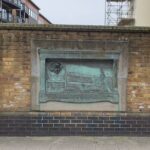
The route in plain terms: 2 hours, about 2 miles, lots of stops
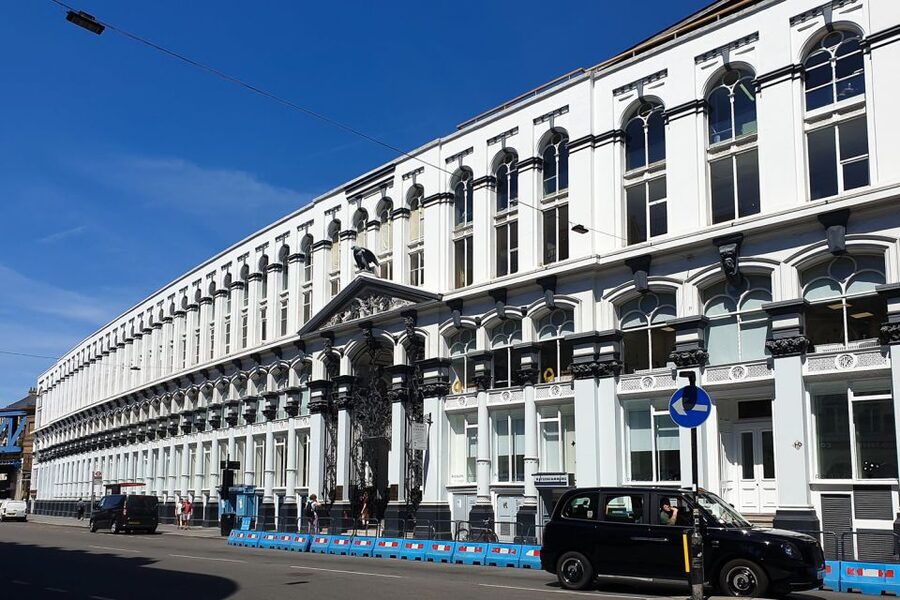
You’re out for about 2 hours and cover roughly 2 miles. The plan is built around short guided moments at each key place—enough time to orient you, explain why a location matters, and point you toward what to look for on your own later.
That format is ideal for first-time London walkers because it trades long museum time for perspective. If you like history you can see with your eyes, this works. If you want a slow, sit-and-read kind of experience, you may find the pacing a bit fast—though the tour’s goal is to leave you knowing where to return for deeper visits.
Borough Station to Marshalsea: punishment, power, and the human cost
The tour starts at Borough, right on Borough High Street outside the station exit. This area is a solid jumping-off point because it links modern transport with older street patterns you’ll keep thinking about as the walk continues.
From there, the first major stop is the Marshalsea Prison. A good guide here does more than label it as a prison. The point is to show how the justice system and everyday life collided in Southwark. Even with what you can only partly see today, you get the sense of a place that processed real people—debt, disorder, and punishment all in the same neighborhood.
After Marshalsea, you head toward Crossbones Garden. This is one of those London spaces that makes you slow down, because it signals something dark without needing theatrical storytelling. It helps you connect the dots between the neighborhood’s reputation and what the ground remembers.
Hop Exchange and the George Inn: everyday business in a rougher district
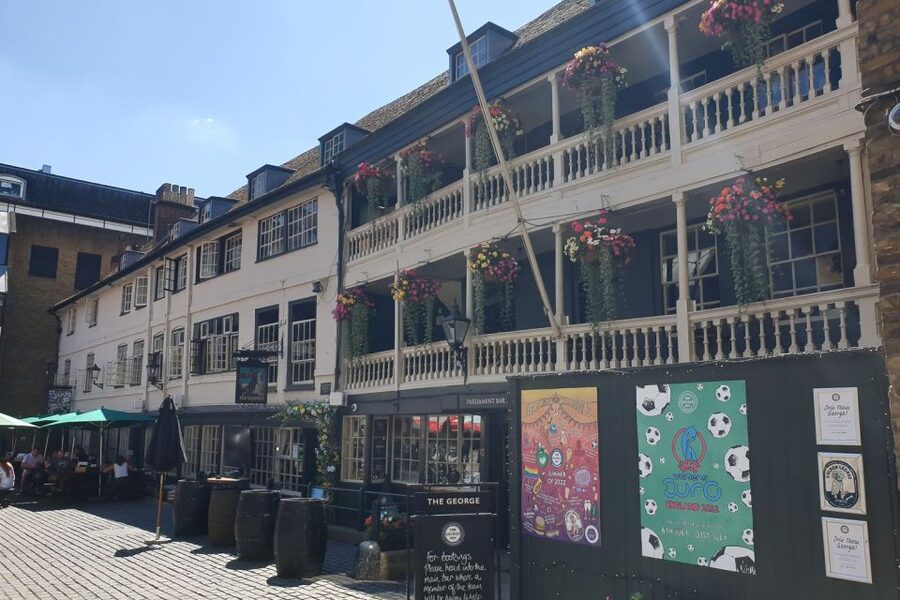
Next comes The Hop Exchange, followed by The George Inn, London. These stops keep the tour grounded in day-to-day reality. Southwark wasn’t only prisons and crime—it also ran on markets, trade, inns, and the kind of social mixing that happens where people buy, drink, wait, and gossip.
That’s where the “Booze” in the title starts to make sense. You’re not promised a drink; you’re promised the social world around drinking—how pubs and public spaces fit into the area’s culture and legends. The ghost story of a nineteenth-century pub landlady is part of this same theme, giving the inn-and-street scene a spooky, personal edge.
If you enjoy when history has voices—not just dates—these stops are a big reason to book.
Borough Market: the oldest market energy, with a guide’s crowd skills
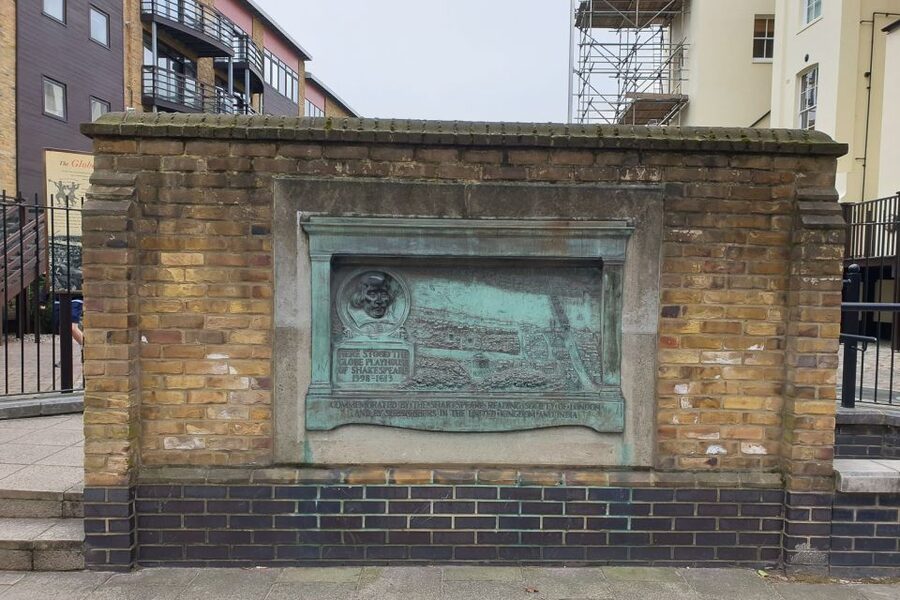
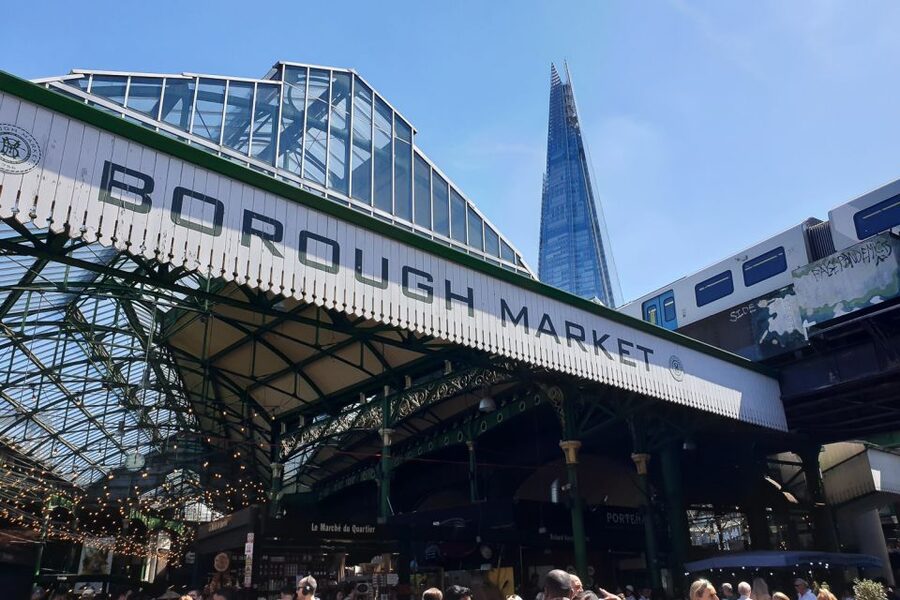
Then you hit Borough Market, and yes, it can be busy. The practical win here is that you’re not left to fend for yourself in the crowd. With a small group and a guide who knows when and where to pause, you get the meaning of the market without getting stuck in it.
The market matters to this story because it shows continuity. Even as the neighborhood’s reputation shifted and reputations got made, Southwark kept feeding people and drawing in outsiders. You’ll get a sense of why this place could simultaneously host entertainment, sex work, disputes, and commerce.
A tip: treat Borough Market as a “context stop” on this tour. After the walk, come back when you have time to browse slowly—especially if you want to turn the route into a food afternoon, not just a history sprint.
Old Operating Theatre and Southwark Cathedral: life, death, and belief
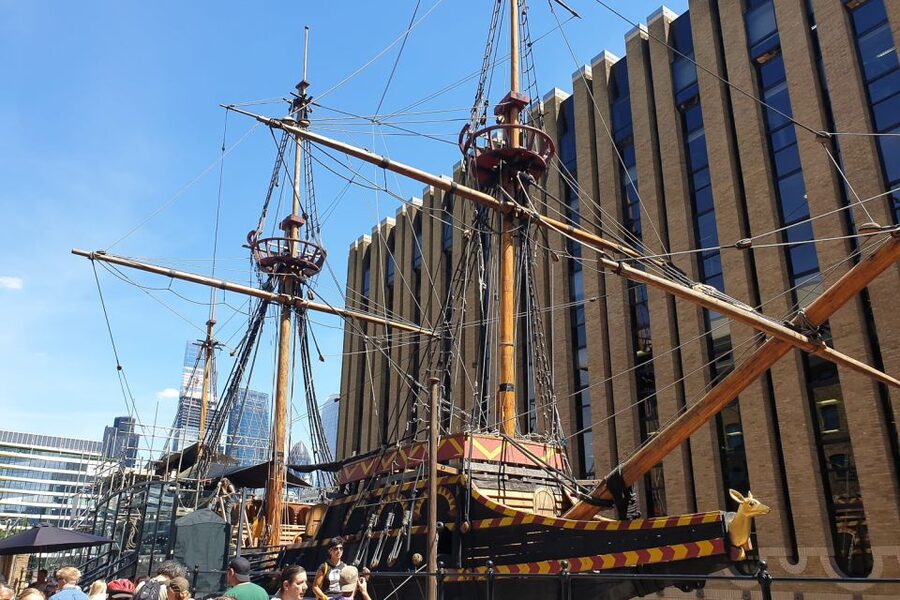
The route continues to the Old Operating Theatre Museum & Herb Garret. This stop adds a very human contrast to the prisons. Instead of punishment and crime, you’re seeing the area’s connection to medical practices and herbs—an angle that makes the neighborhood feel bigger than one grim story.
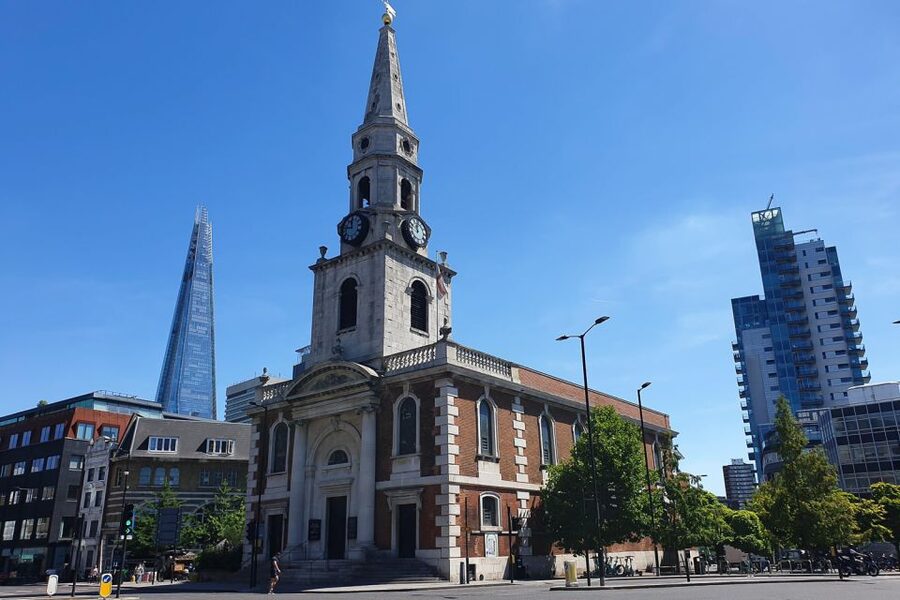
Then you shift to Southwark Cathedral. Even if you’re not religious, cathedrals help you understand how cities justify power and order. The guide’s job here is to point out why the cathedral belongs in the same walk as courts, markets, and prisons. It’s all part of how Southwark functioned—spiritual authority sitting alongside economic reality.
If you’re the type who likes to understand how different systems coexist in one place, these two stops are likely to be favorites.
London Bridge and the Bishop of Winchester’s palace remains
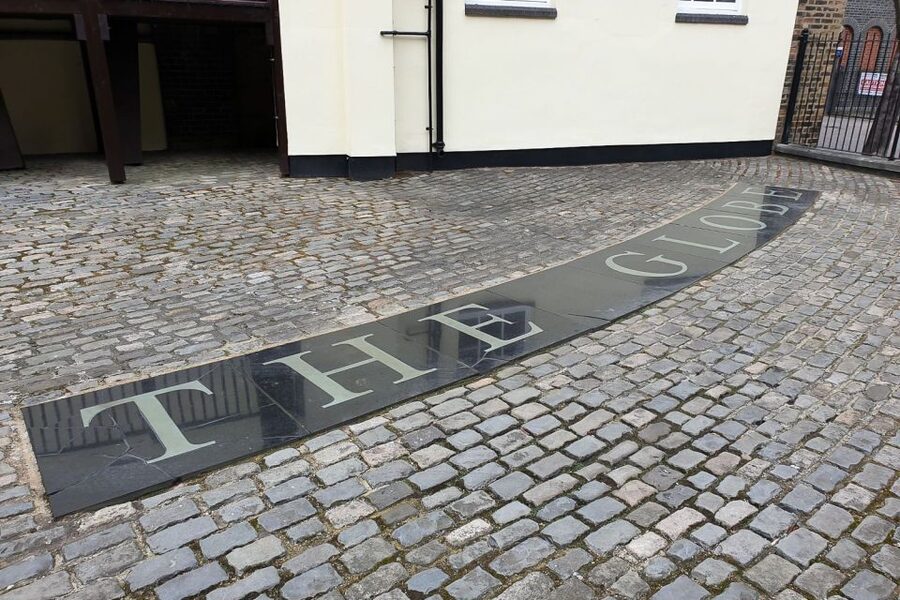
Next is London Bridge, which acts like a hinge between eras. From here, you’re not only moving through space—you’re moving through the idea of boundary lines: what side controls what, and where people end up when rules differ.
After the bridge, you’ll visit Winchester Palace—what remains of the Bishop of Winchester’s palace. This is one of the most valuable stops on the tour because it flips the theme. Southwark’s “bawdy” reputation is loud in the street stories, but this reminds you that high-status power lived here too.
You learn how the same neighborhood could host both authority and the people pushed out of polite society. That contrast is the point. It makes the area feel real, not sensational.
Clink Prison Museum: the second prison, the clearer story
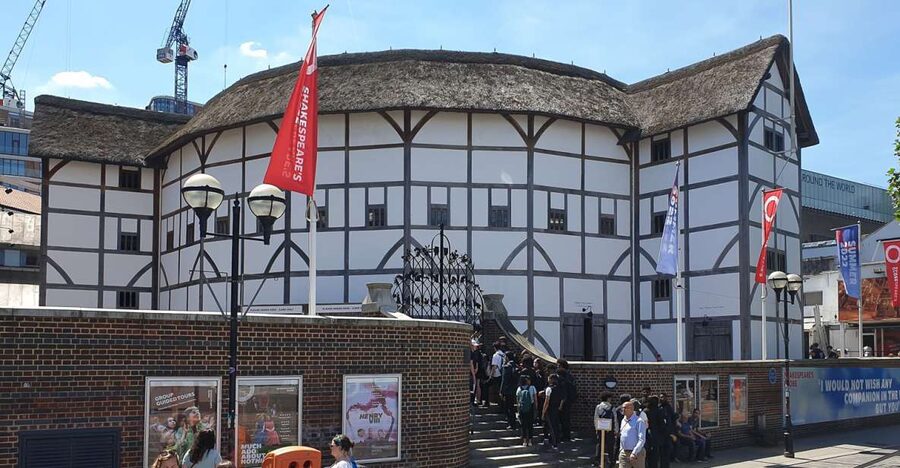
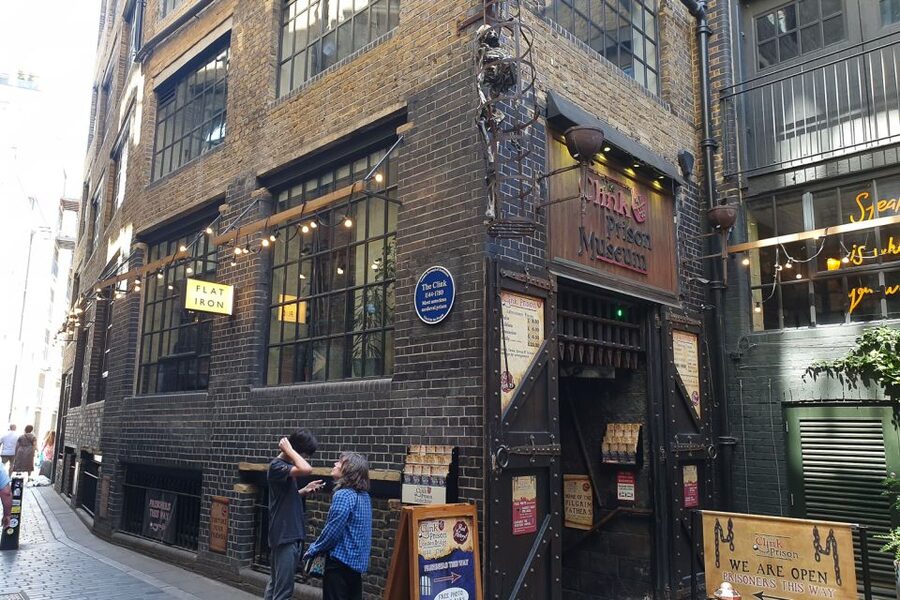
You then reach Clink Prison Museum. This is the other major prison stop, and it completes the tour’s pattern: you’re comparing how different parts of Southwark’s justice system shaped life around them.
What I like about bringing you to both Marshalsea and the Clink is that it stops the history from becoming one-note. Instead, you see the neighborhood as a system where confinement, crime, punishment, and social survival all fed into one another.
If you want to remember one thing from the prison pair, it’s this: Southwark didn’t just produce scandals. It also produced mechanisms that kept conflict going—and controlled who got caught.
Original Globe Theatre site to Shakespeare’s Globe: the Bard in the middle of it
The final sequence is what many people come for: the original site of the Globe Theatre and Shakespeare’s Globe, London.
This part works because it refuses to pretend the theatre was a separate world. Shakespeare wrote for audiences who walked by grimy streets, visited markets, and knew the shape of the neighborhood’s reputations. When you stand near the original Globe site, you get an added layer to the plays: not just imagination, but a real city environment.
At Shakespeare’s Globe, old and new sit side by side. Even if you’ve never taken a theatre history class, the guide’s job is to connect performance to place. You end here, which is convenient if you want to keep exploring nearby after the tour, or—if your schedule allows—pair it with a ticketed performance later.
Price and value: what $26 buys you in London
At $26 per person for a 2-hour guided walk, this is priced like a high-efficiency London experience. The value comes from the variety: prisons, a market, a medical-history stop, a cathedral, a palace site, and both Globe locations—all tied together by a guide who keeps the narrative moving.
You’re not paying for admission tickets that would slow the walk down. Instead, you’re paying for interpretation: why each stop matters and what to notice when you return on your own.
There’s also the small-group design. Capped at 15 attendees, you get better pacing and easier question time, which is part of why past visitors have praised the guide’s ability to answer confidently and keep things entertaining.
Who this tour suits best
This walk fits best if you want:
- A first-pass Southwark orientation that goes beyond the brochure version of London
- A guided story that mixes famous names with local detail, including Charles Dickens’s connection
- History that has people in it: prostitutes and prison life, inn culture, and theatre in the same neighborhoods
It’s less ideal if you want a kid-friendly outing or a purely polished, family-safe overview of the city.
Should you book Booze, Brothels & the Bard?
I’d book it if you like walking tours where the guide turns street corners into context—especially if you want to understand why Southwark became known as London’s Bawdy Borough and how that connects to the Globe and the lives around it.
I’d think twice if you’re sensitive to adult themes, or if you prefer long museum-style time at fewer stops. This is a “many places, short talks” format, and it works best when you’re comfortable moving and listening for 2 hours.
If you do book, do yourself a favor: after the tour, pick one or two stops that grabbed you most—then return to them when you’re not juggling a schedule. The whole point is that the walk gives you a sharper sense of what to explore next.
FAQ
How long is the tour?
It runs for about 2 hours.
Where do I meet the guide?
Meet just outside Borough Station on Borough High Street, with your guide standing at the exit area with a Historic London Tours sign.
Where does the tour finish?
The tour ends at Shakespeare’s Globe.
How far do we walk?
The total talking distance is about 2 miles (around 3.2 km).
How many people are on the tour?
Ticket sales are limited to 15 attendees.
Is it suitable for children?
No. It’s not suitable for children under 13.
What language is the live guide in?
The tour is guided live in English.
Can I cancel or pay later?
Yes. You can cancel up to 24 hours in advance for a full refund, and you can reserve now and pay later to keep plans flexible.