REVIEW · TOKYO
Tokyo: Locals´ Secret Food Tour // Eat like a Japanese
Book on GetYourGuide →Operated by Sunrise Adventure · Bookable on GetYourGuide
Ueno is Tokyo’s best food night. This 3-hour, small-group meal tour takes you off the usual tourist path and serves you a full sequence of local favorites, starting with sushi inside JR Ueno Station. I love that it feels like a dinner with a friend (not a stiff, timed performance), and I also love the local-focus: each stop is the kind of place Tokyo people actually line up for. One consideration: this tour can’t accommodate vegetarian, vegan, or gluten-free diets, and popular spots may mean waiting in line.
The cast of guides makes a difference too. Names like Kana and Tatsuya come up again and again for being friendly, practical, and quick with culture and food questions—so you’re not just eating, you’re learning how to order and what to look for. Expect a relaxed pace with drinks flowing at an izakaya, plus a ramen finale built on slow-cooked broth. If you don’t eat meat or you want zero lines, this may not be your best fit.
In This Review
- Key Highlights You Should Care About
- Ueno After Dark: Why This Neighborhood Beats the Main-Route Food Crawl
- Andersen Atre Ueno to JR Ueno Station: Your Start Point for a No-Stress Night
- Sushi at Ueno Station: The Fresh-Fish Counter You Wouldn’t Find on Your Own
- Gyoza Stop: Multiple Flavors Without the Guessing Game
- Izakaya and Yakitori: Yuzu Sour, Big Drink Choices, and Real-Table Conversation
- Chicken Soba Ramen Finish: The Broth Details That Make It Worth Waiting For
- Price and Value: What $95 Covers (and How to Budget the Rest)
- Who Should Book This Ueno Food Tour (and Who Should Skip It)
- Pacing and Practical Tips for a Smooth 3-Hour Night
- Should You Book This Tour? My Decision Checklist
- FAQ
- How long is the Tokyo Ueno food tour?
- What food and drinks are included?
- Is transportation included in the price?
- Where do I meet the tour guide?
- What languages are the guides?
- How many people are in each group?
- Is the tour suitable for vegetarian, vegan, or gluten-free diets?
Key Highlights You Should Care About
- Small group size (max 5) means easy conversation and faster ordering.
- Sushi first, inside Ueno Station sets the tone with fresh fish and a local rhythm.
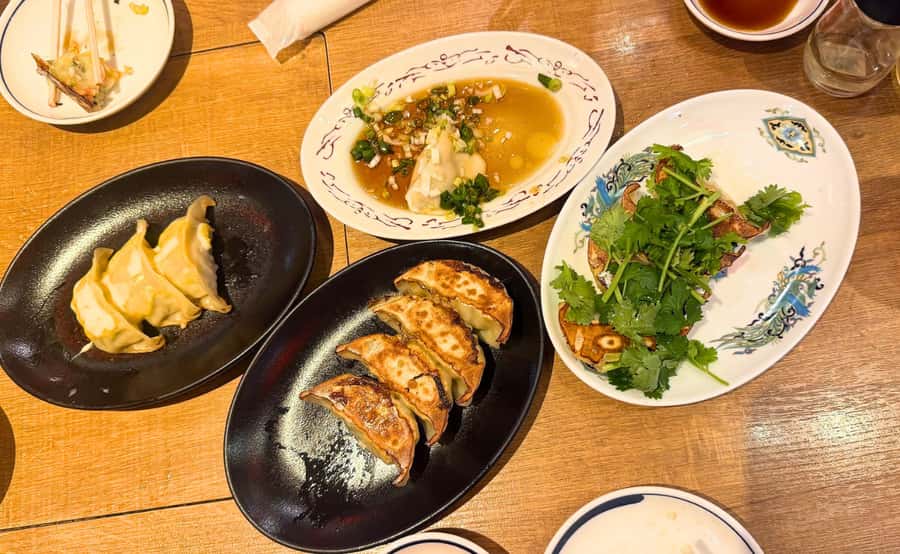
- Gyoza with choices (1–4 flavors) + water keeps it flexible and beginner-friendly.
- Izakaya + yakitori with yuzu sour and a big drink menu (over 50 options).
- Chicken soba ramen finish uses Oyama chicken, fresh vegetables, and Hidaka kelp.
Ueno After Dark: Why This Neighborhood Beats the Main-Route Food Crawl
Ueno is one of those Tokyo districts that makes sense once you’re there: trains, local streets, and plenty of casual places where people grab food and drinks right where they are. It’s not “all the famous stuff, all at once.” Instead, it feels like a real neighborhood night out.
What makes this tour work is that it’s built around how Ueno eats: counter-style meals, quick snacks that turn into a proper dinner, and drinking districts where you’ll often see everyone mixing—young and older, office workers and students, and regulars who know the staff. The guide also connects the stops to Ueno’s place in Tokyo’s food scene, which helps you understand what you’re tasting rather than treating it like a checklist.
You can also read our reviews of more food & drink experiences in Tokyo
Andersen Atre Ueno to JR Ueno Station: Your Start Point for a No-Stress Night
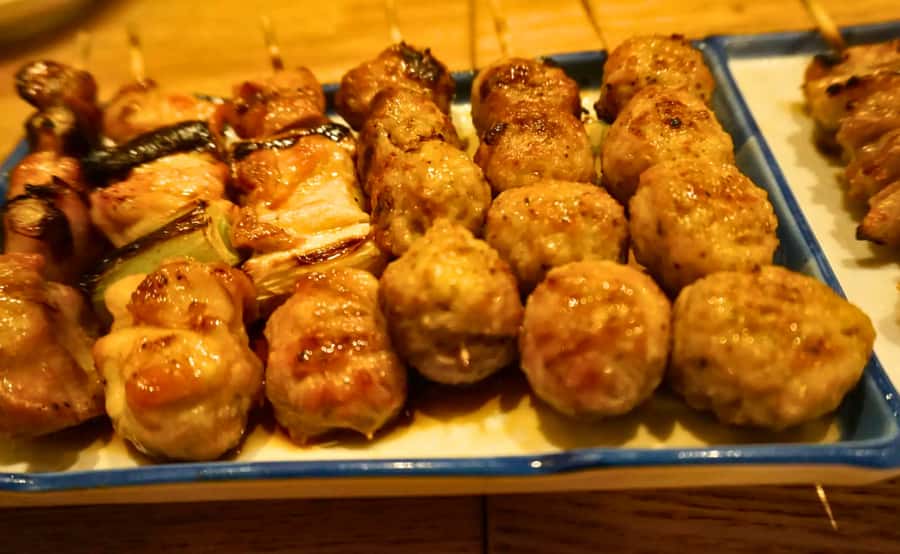
You start at Andersen Atre Ueno, then you’ll meet up inside the JR station building. The key detail: gather inside JR Ueno Station, near the JR Central Gate, close to the Hard Rock Cafe entrance area and across from the bakery Andersen.
That sounds fussy, but it actually saves time. Tokyo stations are huge, and “near a station entrance” can be useless. This meeting point is specific enough that you should be able to find it quickly, even if you’re navigating in English for the first time.
Also, the tour ends back at the meeting point, so you don’t get dumped into a random corner of town at the end while your feet are tired. For a 3-hour dinner plan, that kind of simplicity matters.
Sushi at Ueno Station: The Fresh-Fish Counter You Wouldn’t Find on Your Own
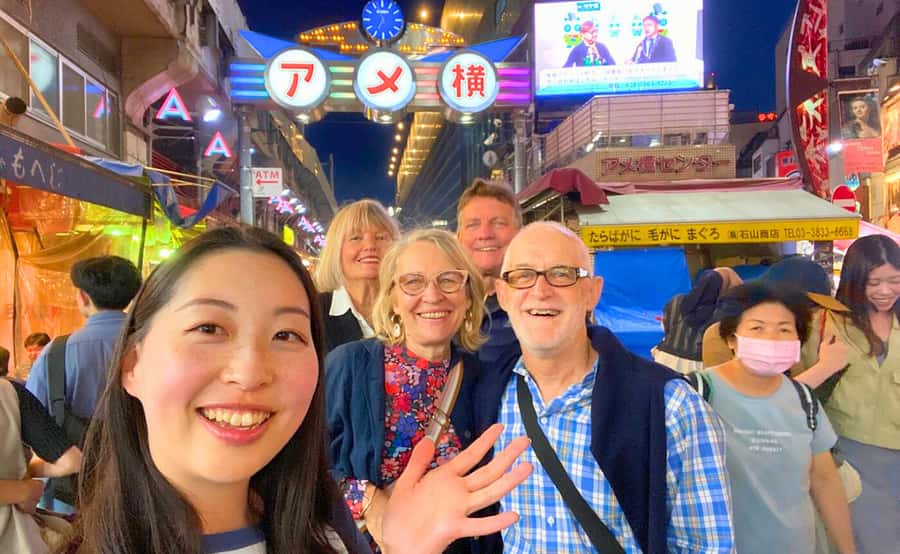
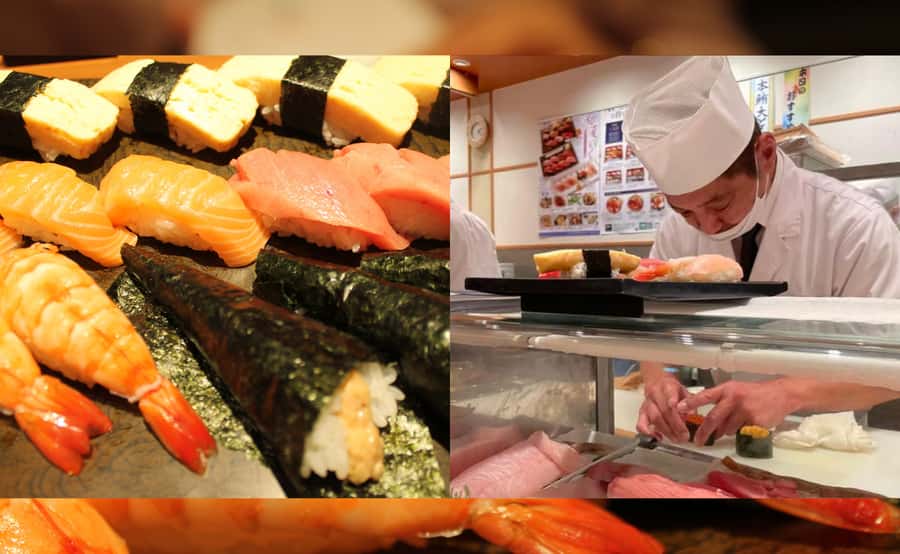
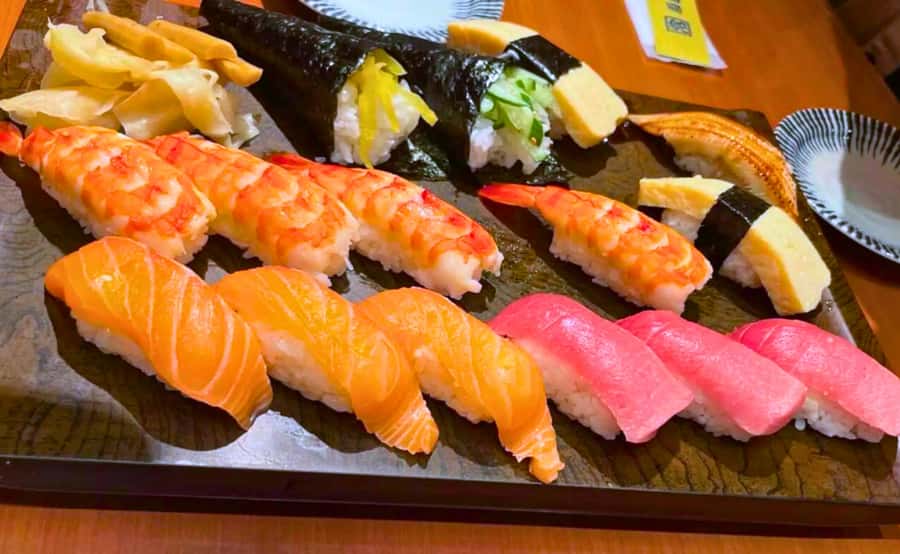
The first stop is sushi inside Ueno Station. You’ll get something close to the real local experience: a small, busy spot where the line exists for a reason. The fish is sourced every morning from the market, so the quality doesn’t feel like a “tour set.” It feels like the kitchen is working the day’s supply and moving fast.
What you get here:
- 3 different types of sushi
- green tea with your meal
This matters for value. A lot of food tours in big cities include one small bite and call it a day. Here, sushi is treated like a proper beginning, not a sample. You’ll also get a taste of Japanese meal rhythm: not chaos, just flow. People eat, conversation stays low-key, and the counter keeps moving.
One practical tip: if you’re hungry (you should be), don’t rush your first mouthful just to “keep up.” Sushi is easiest to enjoy when you give it a minute—especially if you’re trying to learn the difference between the pieces.
Gyoza Stop: Multiple Flavors Without the Guessing Game
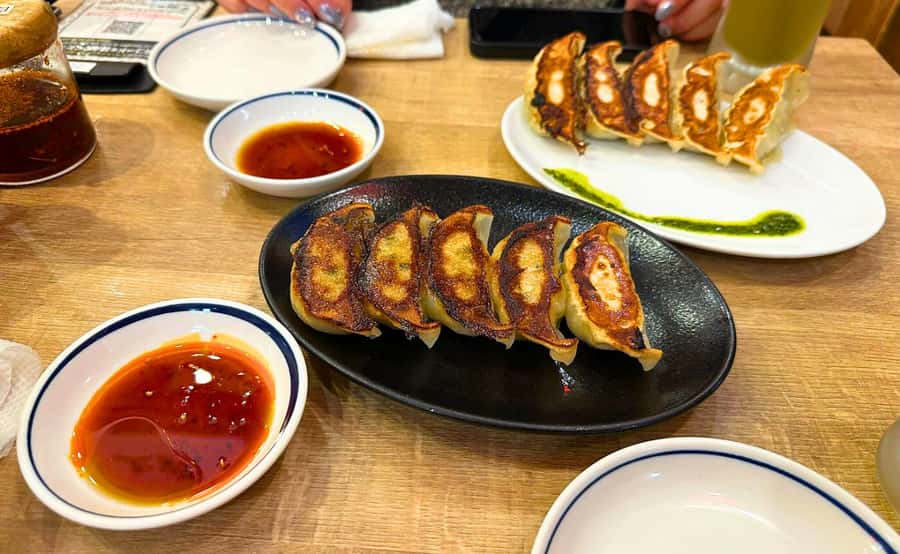
Next comes gyoza, Japanese dumplings—one of those foods that looks simple until you notice how many variations exist. The tour aims you at a gyoza restaurant that’s known as a top choice, not a random tourist menu.
You’ll be able to choose 1 to 4 flavors, plus you’ll get water. That choice is quietly smart. If you’re new to Japanese dumplings, tasting a single style is less intimidating. If you already like gyoza, the option to expand gives you range without you having to translate a menu on the fly.
The restaurant atmosphere is part of the deal too. This is the kind of lively place where people are ordering, eating, and chatting, not where everyone is waiting politely for the next step of a script. It helps make the tour feel natural—like you’re joining a local night out.
Izakaya and Yakitori: Yuzu Sour, Big Drink Choices, and Real-Table Conversation
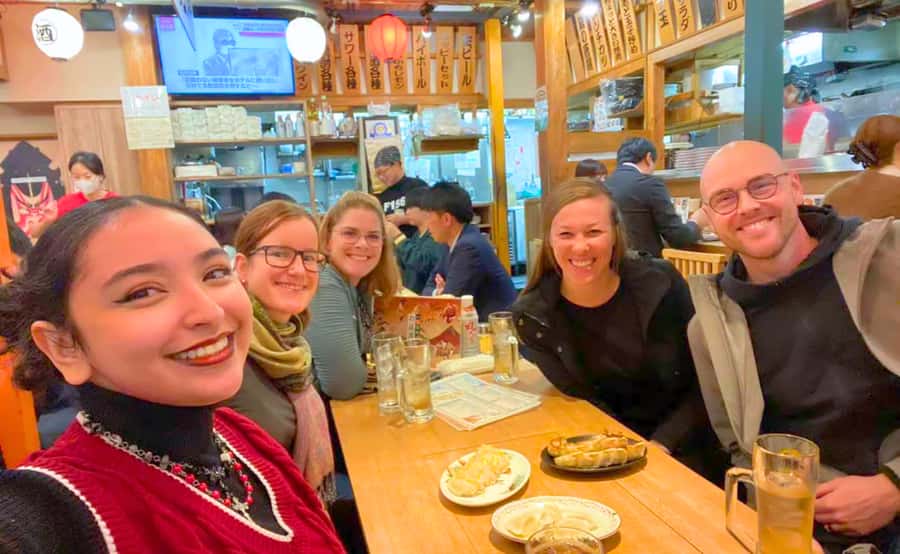
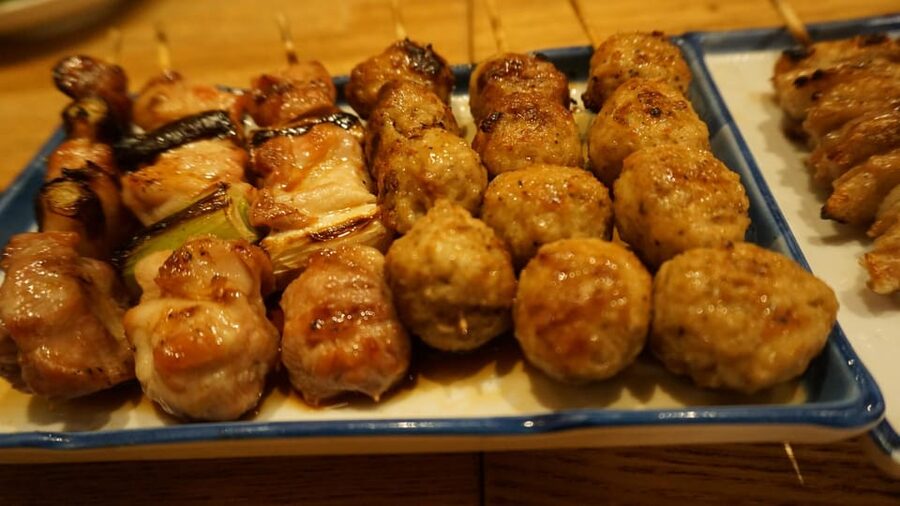
Then you’ll head to an izakaya, the classic Japanese pub-style dinner spot where eating and drinking happen together. This is where the tour really becomes a Tokyo night: smaller plates, skewers, and a menu that can feel intimidating until your guide helps you order.
You’ll try yakitori (chicken skewers)—and not just one kind. The tour includes 3 different types. Alongside that, you can choose alcohol or soft drinks for your pairing. One standout option is the yuzu sour (yuzu liqueur plus sparkling water), which the tour specifically recommends.
Here’s why this stop is a value win: you’re not only getting food, you’re getting a guided way to experience Japanese drinking culture without overthinking it. The drink selection is large—over 50 alcoholic or soft-drink choices—so you can go traditional, fruity, or non-alcoholic and still feel like you’re doing it right.
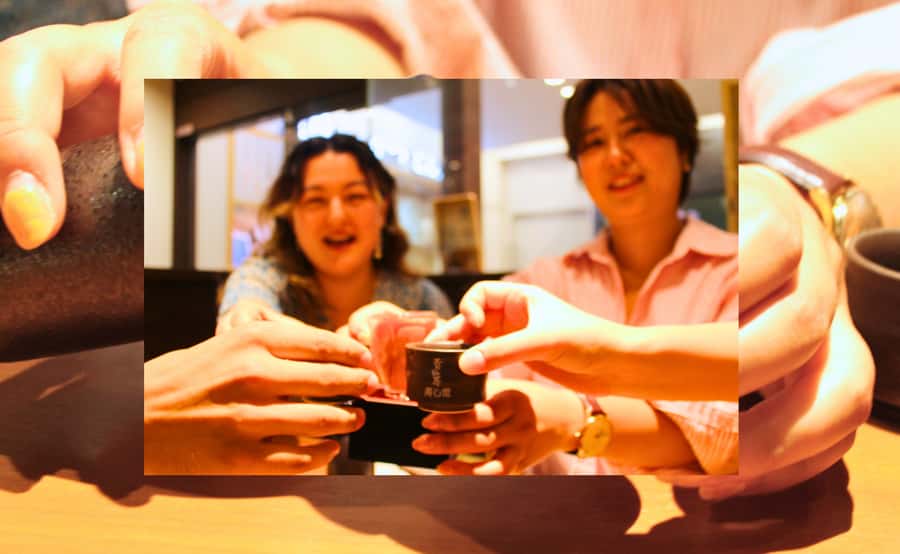
Also, this is a social stop. The tour is designed for people to mix with the local vibe instead of treating every meal like a performance. If you’re traveling solo, this part is especially helpful because you’re not standing alone trying to figure out what to order.
Chicken Soba Ramen Finish: The Broth Details That Make It Worth Waiting For
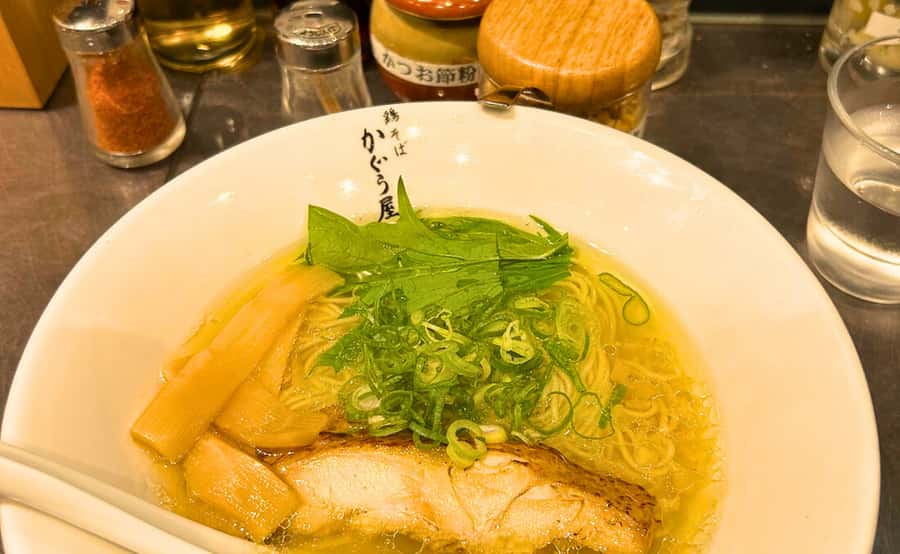
You end with ramen at a lesser-known spot that focuses on chicken soba. It’s the kind of finale that makes the earlier stops feel connected, not random: you go from sushi and skewers to a warm bowl that closes the night with comfort.
What makes this ramen sound different (and why you should care):
- The tour notes Oyama chicken (the chicken is part of the quality story)
- Fresh vegetables
- Hidaka kelp in the broth
- Broth slow-cooked and then double-strained for a smooth finish
Even if you’re not a ramen nerd, that process changes the texture and the taste. Slow-cooked chicken plus kelp usually means a broth that feels deeper and rounder, and double-straining is the kind of detail that gets you a cleaner, less cloudy mouthfeel. In plain terms: you’ll likely taste a broth that feels “finished,” not just poured and served.
You’ll get the ramen with water. This is also a good time to slow down. By the final stop, your guide has already set you up with context, so you can taste with more awareness instead of only asking what comes next.
Price and Value: What $95 Covers (and How to Budget the Rest)
At $95 per person for about 3 hours, the value comes from the fact that this isn’t just one meal. You’re getting a multi-stop dinner sequence:
- Sushi (3 types) + green tea
- Gyoza (1–4 flavors)
- Yakitori (3 types) + drink pairing
- Chicken soba ramen
- Water across the stops
- And if you choose an extra alcohol package, you may add sake and plum wine
Transportation isn’t included, so you’ll still pay for getting to Ueno (train/subway). That said, the tour staying within the neighborhood is a big deal. You’re not spending your appetite money on long commutes or multiple district transfers.
One more value note: the tour is limited to 5 participants, so that smaller group structure helps keep the experience from feeling like assembly-line tourism. You’re more likely to get time to ask questions and to eat at a relaxed pace.
Who Should Book This Ueno Food Tour (and Who Should Skip It)
This tour is ideal if:
- You’re solo traveling and want a ready-made way to eat with people but still in a small group.
- You want a guided path through everyday Japanese favorites (sushi, gyoza, yakitori, chicken soba ramen).
- You like a relaxed pace and don’t mind that some popular places may require waiting.
You should skip this tour if:
- You need vegetarian, vegan, or gluten-free options. The tour states it can’t accommodate those dietary preferences.
- You’re traveling with kids under 18. It’s not suitable for children under 18.
- You need wheelchair access. The tour isn’t suitable for wheelchair users.
- Pregnancy is also listed as a disqualifier.
In other words: this is very much a meat-based, standard Japanese eating-style experience. If that fits you, it’s a great choice. If it doesn’t, no amount of great storytelling can fix a menu mismatch.
Pacing and Practical Tips for a Smooth 3-Hour Night
The tour is designed to feel like dinner with friends—less formal, more human. You’ll still move between stops, and you should expect some lines because the spots are popular. That’s normal in Japan, and it’s built into the plan.
To get the most out of the night:
- Come hungry. This is a sequence, not one snack stop.
- Wear comfortable shoes. You’ll be walking between Ueno Station and nearby restaurants.
- Ask your guide to help you choose. The drink menu is big, and the yakitori flavors can be easier with guidance.
- If you’re running late, the tour notes accommodating behavior from guides like Kana, which is a good sign. Still, try to arrive early so you’re not stressing.
Timing-wise, it runs about 3 hours, and you’ll return to your starting point. That makes it easier to plan the rest of your evening.
Should You Book This Tour? My Decision Checklist
Book it if you want:
- A small-group night where you eat multiple real Japanese staples
- A Ueno-focused food crawl with drinks at an izakaya
- A guide who can explain food and culture while keeping things relaxed
Pass if:
- You’re vegetarian/vegan/gluten-free (this tour can’t accommodate it)
- You need wheelchair access or are traveling with kids under 18
- You want zero waiting and zero lines ever (popular Tokyo restaurants don’t work that way)
If you like meat-based Japanese comfort food and you want someone local to translate the whole experience into something you can enjoy without stress, this tour is a strong pick.
FAQ
How long is the Tokyo Ueno food tour?
The tour runs for about 3 hours.
What food and drinks are included?
You’ll get sushi (3 types) with green tea, gyoza with water (with 1–4 flavor choices), yakitori (3 types) with alcohol or soft drink, and ramen with water. If you select an extra alcohol package, sake and plum wine may be included.
Is transportation included in the price?
No. Transportation fee is not included.
Where do I meet the tour guide?
Meet inside JR Ueno Station near the JR Central Gate by the Hard Rock Cafe entrance area, across from the bakery Andersen. The tour also lists the starting point as Andersen Atre Ueno.
What languages are the guides?
Guides are available in English and Japanese.
How many people are in each group?
The group is limited to 5 participants.
Is the tour suitable for vegetarian, vegan, or gluten-free diets?
No. The tour states it is unable to accommodate vegetarian, vegan, and gluten-free dietary preferences.