REVIEW · TOKYO
Tokyo – Shinjuku Nightlife: Happy Hour and Karaoke Fun
Book on Viator →Operated by Intrepid Urban Adventures - Japan · Bookable on Viator
Shinjuku at night hits different. This 3-hour walk-led evening strings together Hanazono Jinja Shrine, Japan’s tiny-bar alley culture in Golden Gai and Omoide Yokocho, plus karaoke without the stress of figuring it out alone. I love that you get a simple path through the neon zones, and I also love that the big stuff is covered: 3 food samples, 3 drinks, and karaoke are included. One heads-up: most stops involve smoking inside, and there aren’t vegetarian, vegan, or gluten-free options.
I also like the small-group feel here. This runs with a maximum of 10 people, so your local English-speaking guide can actually steer the night, explain what you’re seeing, and keep you from getting lost when Shinjuku gets loud. And bonus for the values-minded: it’s carbon neutral and run by a B Corp certified company that treats travel as a force for good.
The tour starts at 5:30 pm near Shinjuku Sanchome, and it ends at JR Shinjuku Station—handy if you plan to continue exploring after. If you’re sensitive to smoke, or you need strict dietary controls, this might not be your best match. If not, it’s one of the cleaner ways to do Shinjuku nightlife for first-timers.
In This Review
- Key things I’d plan around
- A 5:30 pm Shinjuku plan that avoids the maze
- Hanazono Jinja at night: Shinto in the middle of Shinjuku
- Golden Gai alleys: tiny bars, big stories
- Kabukicho neon and the Godzilla photo moment
- Omoide Yokocho: snack bars, after-hours energy, and karaoke
- Karaoke reality check (this isn’t a stadium)
- What’s included: food, drinks, and the cheers moment
- The smoking factor you should plan for
- Dietary notes: plan accordingly
- The guides that make or break your night
- Price and value: what you’re really paying for
- Getting there and finding the meetup fast
- Who should book this Shinjuku nightlife tour
- Should you book it? My call
- FAQ
- What time does the tour start?
- How long is the experience?
- How big is the group?
- What’s included in the price?
- Where do I meet the guide and where does it end?
- Are there dietary options like vegetarian, vegan, or gluten-free?
- Is smoking allowed during the tour?
- Is there a minimum age?
Key things I’d plan around
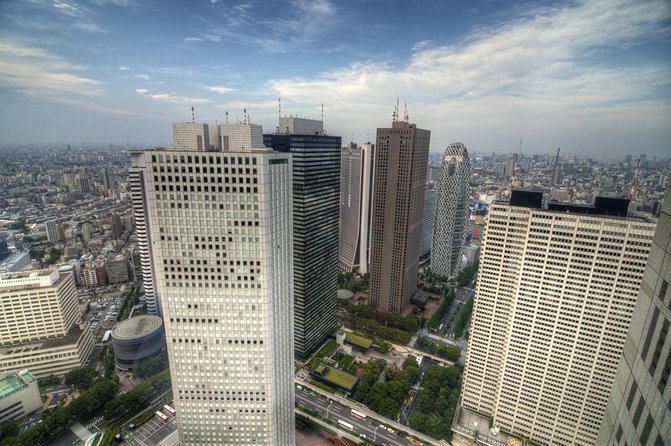
- Hanazono Jinja Shrine by night: the 1590 shrine glow gives you a calmer start before Shinjuku’s chaos.
- Golden Gai + snack-bar culture: tiny alleys, old-school counter-culture vibes, and a guided path to places you’d skip.
- Kabukicho photo stop: neon streets and the Godzilla statue area are quick, but memorable for the atmosphere.
- Omoide Yokocho is the long stay: this is where the food-drink rhythm slows down and where karaoke happens.
- 3 dishes + 3 drinks + karaoke included: less budgeting stress for a neighborhood where costs can spike.
- Small group (max 10): easier interaction, faster decision-making, and a more human pace.
A 5:30 pm Shinjuku plan that avoids the maze
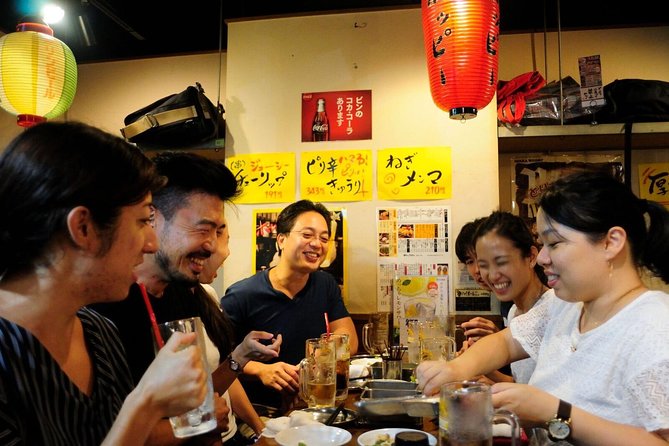
Tokyo’s nightlife doesn’t really do gentle onboarding. Shinjuku, in particular, can feel like a thousand signs yelling at once—great for people-watching, rough for navigating when you’re hungry and jet-lagged.
This tour is designed for your first real evening out in Shinjuku. You meet at the main shrine gate at Hanazono Jinja at Shinjuku Sanchome Station, then the route moves in a logical pattern: shrine, alley bars, then the heavier nightlife districts, ending near JR Shinjuku Station. That means you’re not spending your first hour doing the “which exit?” dance.
Timing also matters. Starting at 5:30 pm lets you catch the transition from early evening to full-on neon energy. You’re eating, drinking, and learning while the streets are active, not dead, and you’re not stuck waiting hours for nightlife to wake up.
Group size is another practical win. With a maximum of 10, you get some flexibility if your guide sees you’re extra curious about a specific alley or want photos. It’s still structured, but it doesn’t feel like you’re herded.
You can also read our reviews of more tours and experiences in Tokyo.
Hanazono Jinja at night: Shinto in the middle of Shinjuku
The night begins at Hanazono Jinja, a major Shinto shrine in the center of Shinjuku. It’s been here since 1590, and that age matters. This isn’t just a pretty landmark; the shrine is tied to the idea of protection for local people, merchants, craftsmen, and artists.
At night, the shrine lighting changes the whole mood. You get a visual reset right when Shinjuku is trying to pull you in every direction. It’s one of those moments where you can slow down for a minute—listen, notice the details, and understand that Shinjuku is layered, not just neon and bars.
If you like cultural context without turning the night into a classroom, this stop does that job. It’s short enough to keep momentum, but it gives you something real to connect to once you walk into the nightlife areas after.
Practical tip: wear shoes you can keep on all night. Even though this is a “3-hour tour,” you’ll be walking between districts, and the route is paced for a relaxed evening rather than sightseeing with constant pauses.
Golden Gai alleys: tiny bars, big stories
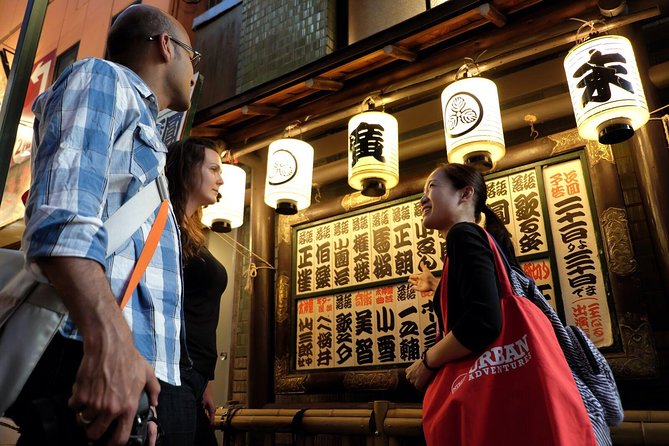
Right after the shrine area, you head toward Golden Gai, the warren of narrow lanes packed with tiny bars. The whole point of Golden Gai is scale. These are not big venues—you’re stepping into small spaces where the atmosphere feels personal, like you’re entering a neighborhood ritual rather than a nightclub.
Golden Gai has a strong reputation for second-home culture among writers and artists. In the 1960s, the Shinjuku area became a hub for counterculture, with rebellious musicians, filmmakers, and avant-garde theatre happening nearby. The lanes still feel connected to that energy: low-key, old-school, and focused on conversation.
This is also where the guide quality really shows. A good route through Golden Gai is half directions, half explanation. Without guidance, it’s easy to walk past doors that look like nothing—or to step into a place that doesn’t match your vibe.
What I like most here is that it’s a gentle introduction to Japanese nightlife. You can look around, soak up the atmosphere, and still feel oriented.
One consideration: this stop is short. You’re not getting a long sit-down. Think of it as a guided taste of what Golden Gai is, plus a step into the alley-bar world before the tour transitions to the bigger nightlife zones.
Kabukicho neon and the Godzilla photo moment
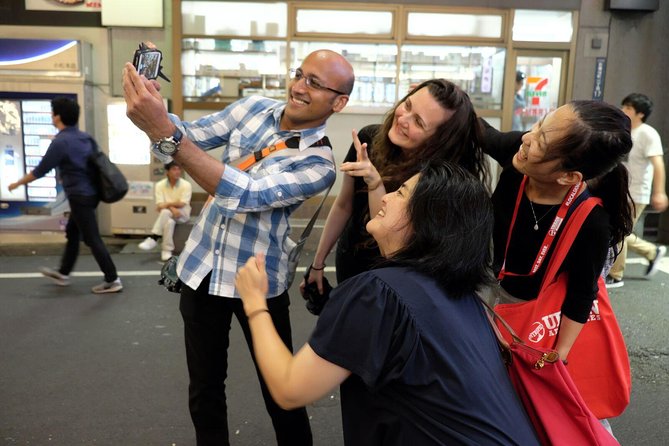
Then it’s on to Kabukicho, the famous Shinjuku nightlife district known for its dense cluster of shops, restaurants, nightclubs, and karaoke. This area is photogenic in a “you’ll have trouble picking where to point your camera” way. Music can feel like it’s coming from everywhere.
You’ll also see the Godzilla statue area, which functions as a quick visual anchor for Kabukicho. Even if you’re not a themed-photo person, it helps you keep your bearings. And if you are into photos, this is one of the easiest places in Shinjuku to get a few solid shots without wandering in circles.
A balanced way to approach Kabukicho: treat it like a atmosphere stop, not a deep exploration. The tour keeps it to a short segment, and that’s smart. You’ll get the spectacle—neon, people, noise—then move to places where the night feels more local and less “big-city entertainment zone.”
If you’re looking for calm, you won’t find it here. But if you want to see Shinjuku nightlife in its loudest, most recognizable form, this is where it shows up fast.
Omoide Yokocho: snack bars, after-hours energy, and karaoke
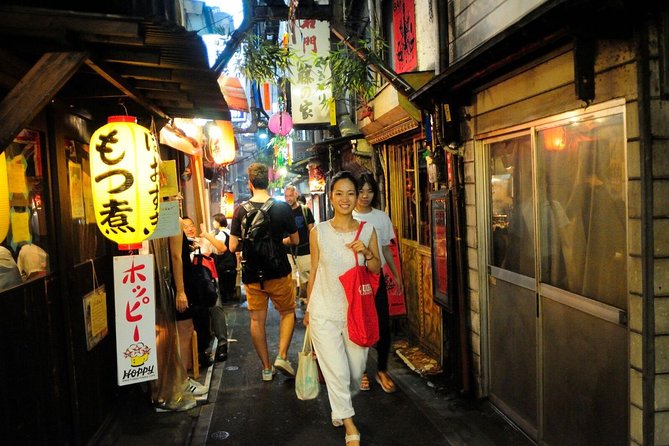
The evening’s longer stretch is at Omoide Yokocho, an alley packed with snacks, small bars, and after-hours drinking spots. This is one of the most satisfying parts of the night because you finally slow down enough to enjoy the rhythm of the area.
The vibe is classic: pop into a snack bar the way office workers might after work. Here the culture isn’t about big production—it’s about small portions, drinks you order easily, and conversation.
This is also where the tour’s social element pays off. Instead of you trying to guess what to order or where to sit, you’re guided into the flow. You’ll have your food samples, drinks, and then karaoke at the snack bar.
Karaoke reality check (this isn’t a stadium)
Karaoke in this format is part of the intimate snack-bar scene. Don’t expect a huge club setup. It can feel casual, and the vibe depends on the exact bar.
For me, the value is simpler: it’s included, it’s in a place locals actually use, and you’re not spending time figuring out logistics mid-night. If you want the loudest, party-tilt karaoke possible, you might find it calmer than the kind you see on TV. But it’s still fun, especially if you’re traveling with friends or you’re comfortable joining in.
What’s included: food, drinks, and the cheers moment
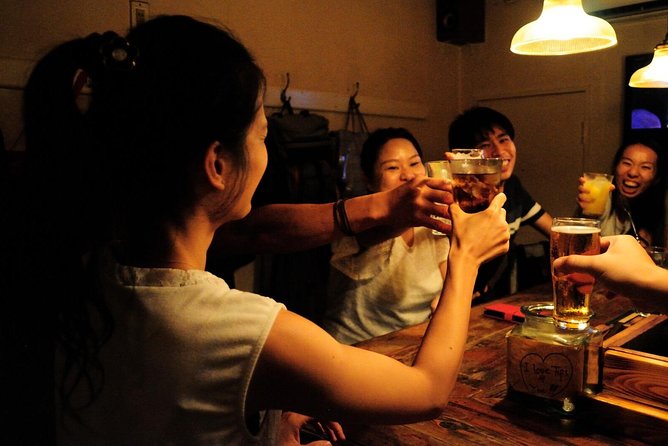
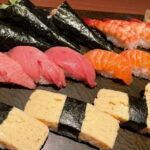
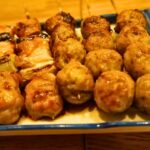
You’ll get 3 assorted local dishes and 3 drinks. The food is described as bite-sized samples, with examples that include tempura and seasonal-style items like seasonal vegetables.
On the drink side, you’ll toast with your guide and get a choice such as sake or beer. That first cheers moment matters more than it sounds. In Japan, it’s often a social on-ramp, and it helps you relax into the group without awkwardness.
The smoking factor you should plan for
Here’s the most important practical note: drinking establishments on this tour allow smoking, and there aren’t separated areas. If smoke bothers you, bring a strategy—like positioning yourself thoughtfully where possible and planning short breaks in the open air between stops. If you’re fine with it, you’ll probably find the nightlife atmosphere easier to enjoy.
Dietary notes: plan accordingly
There are no vegetarian, vegan, or gluten-free options listed for this tour. If you eat very restricted diets, this can limit your enjoyment. Even if you can find something workable at each stop, you might not get the full “included samples” experience the way the tour is designed.
The guides that make or break your night
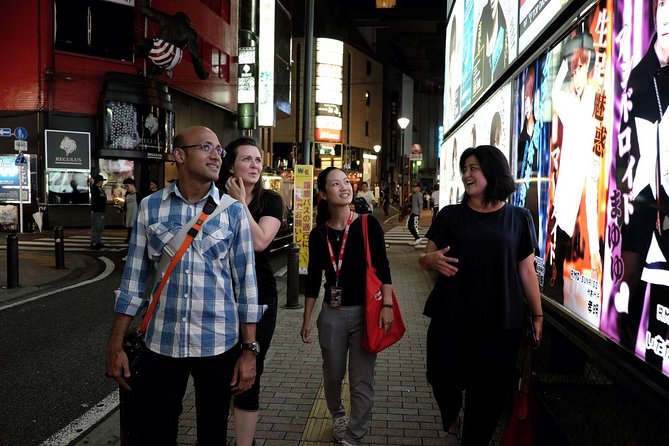
This kind of tour works best when the guide can connect the dots: why a shrine matters, why Golden Gai’s alleys feel the way they do, and why certain snack bars feel like the right choice.
Past departures have been led by guides including Mr Gin, Satoko, Thatcherer, and Carlos. If you’re lucky enough to land with a guide like that, you can expect strong English, friendly conversation, and helpful context—plus photo tips that actually help. (One guide approach that shows up repeatedly is treating the night like a story you can follow, not like a checklist.)
If you’re a solo traveler, this is a real advantage. The group is small, and the guide can steer you into the right level of interaction so you don’t feel like you’re watching from the outside.
Price and value: what you’re really paying for
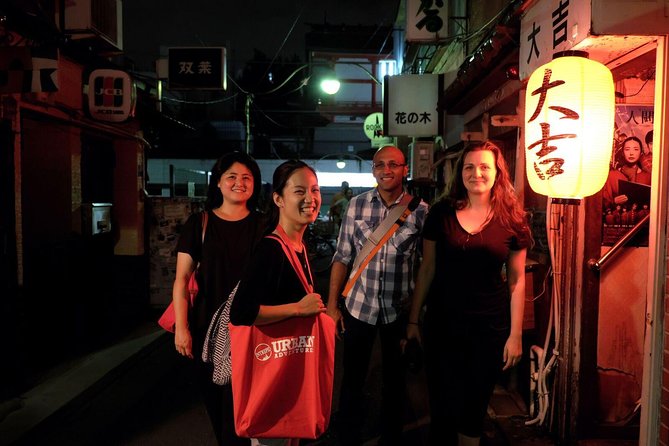
At $129.55 per person for about 3 hours, you’re not just paying for walking and entry tickets. You’re paying for a guided plan that includes:
- 3 food samples
- 3 drinks
- Karaoke in a snack bar
- Visits to Hanazono Jinja and the main nightlife areas
- A local English-speaking guide
That’s important value in Tokyo nightlife, where one extra drink or snack can turn an evening from fun to pricey fast. Even without knowing exact menu costs at each stop, the structure here reduces the most common spending surprises.
You’re also getting something harder to price: guidance in places where signage and English support may be limited. In Shinjuku, that can be the difference between enjoying the evening and spending energy orienting yourself.
One more value angle: it’s carbon neutral and operated by a B Corp certified company committed to using travel as a force for good. If that matters to you, it’s a plus that fits the included-feelings of the tour.
Getting there and finding the meetup fast
The meeting point is at Hanazono Shrine near Shinjuku Sanchome Station at 5-chōme-17-3 Shinjuku. The end point is JR Shinjuku Station (near 3-chōme-38-1).
Two practical notes:
- If you’re using a taxi, use the shrine address and aim for the main shrine gate. Don’t rely on generic Shinjuku directions.
- If you’re coming by train, plan to arrive a few minutes early. Shinjuku is big, and you want to avoid being the person sprinting through neon alleys while the group departs.
A mobile ticket is included, and that’s useful once you’re already in the area.
Who should book this Shinjuku nightlife tour
This works best if you:
- want a first-timer-friendly Shinjuku night plan
- like guided culture stops mixed with nightlife
- enjoy small social settings and don’t mind smoke in venues
- travel solo, as a couple, or with friends (small group, up to 10 people)
It may not fit if you:
- need vegetarian/vegan/gluten-free options
- are very sensitive to smoking indoors
- hate any nightlife noise (Kabukicho will be loud)
Also, think about your energy level. There’s a moderate amount of walking, and you’re out during prime nightlife hours, so it’s not a “sit back and rest” tour.
Should you book it? My call
I’d book this tour if you want a smart, low-stress way to experience Shinjuku nightlife with local texture—shrines, tiny alleys, snack-bar culture, and included karaoke—without spending your evening lost or guessing where to go.
If you’re smoke-sensitive or you have strict dietary needs, I’d treat this as a cautious pick. Those two factors can impact how much you actually enjoy the included food and the time inside bars.
If you’re in the middle—curious about Japanese nightlife, open to a bit of smoke, and happy to let a guide steer—you’re likely to have one of your most memorable evenings in Tokyo.
FAQ
What time does the tour start?
It starts at 5:30 pm.
How long is the experience?
Plan for about 3 hours.
How big is the group?
The tour has a maximum of 10 travelers.
What’s included in the price?
You’ll get 3 local food samples, 3 drinks, karaoke in a snack bar, and time with a local English-speaking guide. You’ll also visit Hanazono Jinja Shrine and enjoy guidance on what else to see and do.
Where do I meet the guide and where does it end?
You meet at Hanazono Shrine near Shinjuku Sanchome Station at the main shrine gate. The tour ends at JR Shinjuku Station.
Are there dietary options like vegetarian, vegan, or gluten-free?
No. Vegetarian, vegan, and gluten-free options are not available on this tour.
Is smoking allowed during the tour?
Yes. Drinking establishments allow smoking, and there are no separated areas.
Is there a minimum age?
Yes, the minimum age is 20 years.