REVIEW · TOKYO
Tokyo Ueno Food Tour Sushi Ramen and Local Favorites
Book on Viator →Operated by Sunrise Adventure · Bookable on Viator
Tokyo’s food scene gets a cheat code. This Ueno guided tour strings together market-walking and sit-down tastings so you skip the guesswork and get straight to the good stuff. I especially liked the off-the-tourist-trail feeling, plus the chance to learn how Ueno’s original-district vibe shaped what people eat today.
Two things I’d put first: the small group size (max 5) makes it feel personal, and the tastings cover classics like sushi and ramen along with other local favorites. One consideration: this tour isn’t built for everyone’s diet—if you’re vegetarian, vegan, pescatarian, or have a gluten allergy, it may not work for you.
In This Review
- Quick highlights: what makes this Ueno tour work
- Getting Oriented at Andersen Atre Ueno (and why it matters)
- Ameyoko Shopping Street for ~2 hours: the real first course
- A note on pacing inside Ameyoko
- The Tastings Plan: sushi, ramen, and local bites
- What you should expect to eat (without overpromising specifics)
- Izakayas and classic Japanese ordering rhythms
- Alcohol package: when included, when it isn’t, and the age rule
- If you skip alcohol, you still get the food
- One restaurant allows smoking: how to handle it
- The guide experience: how names like Kaho and Nana translate to better eating
- Small group size (max 5): what you gain beyond a number
- Value check: is $89.17 for 3 hours worth it?
- Who should book this Ueno food tour (and who should skip)
- When to do it in your Tokyo plan
- Should you book the Tokyo Ueno Food Tour Sushi Ramen and Local Favorites?
- FAQ
- How long is the Tokyo Ueno food tour?
- Where do I meet for the tour?
- What’s included in the food?
- Is alcohol included?
- Who should not book this tour?
- How many people are in the group, and is there a dress code?
Quick highlights: what makes this Ueno tour work
- Ameyoko Shopping Street for ~2 hours: a real market lane with lots of stalls and street energy
- Tastings at multiple restaurants/izakayas so you sample more than one style of food
- Alcohol option with legal age 20 in Japan, so plan around the alcohol package
- Friendly guide-led routing through places you might miss on your own
- Ueno local history context to give meaning to what you’re eating, not just a menu tour
Getting Oriented at Andersen Atre Ueno (and why it matters)
Your tour starts at Andersen Atre Ueno, at Ueno’s busy rail hub area (7-chōme, 1F). This is a smart pick because Ueno is one of those places where it’s easy to wander for an hour and see nothing you’d actually want to eat.
You’ll get a mobile ticket, and the end time is set up so you return back to the meeting point. That matters if you’re trying to fit Ueno into a tight Tokyo itinerary.
You can also read our reviews of more food & drink experiences in Tokyo
Ameyoko Shopping Street for ~2 hours: the real first course
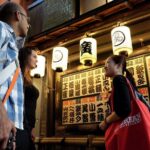
The tour’s first stop is Ameyoko Shopping Street, a long, lively market corridor in Ueno. It began as a black market after World War II, and today it’s packed with small shops—think hundreds of them in a relatively tight area.
I like this start because it gets your bearings fast. Before you sit down anywhere, you get the lay of the land: what’s being sold, what kinds of crowds move through, and what foods and snack habits feel normal here.
There’s another practical win: you’re not hunting for the right entrance or the right neighborhood. Your guide leads you straight into the flow of the district, so you can focus on eating rather than decoding streets.
A note on pacing inside Ameyoko
Ameyoko takes about 2 hours, which is a lot of walking in a 3-hour total experience. That can feel like a full mini-adventure, but it’s also the reason the rest of the tour can be a quick hit of sit-down meals. If you’re the type who gets tired fast while shopping-walking, plan on taking breaks when your guide suggests them.
The Tastings Plan: sushi, ramen, and local bites
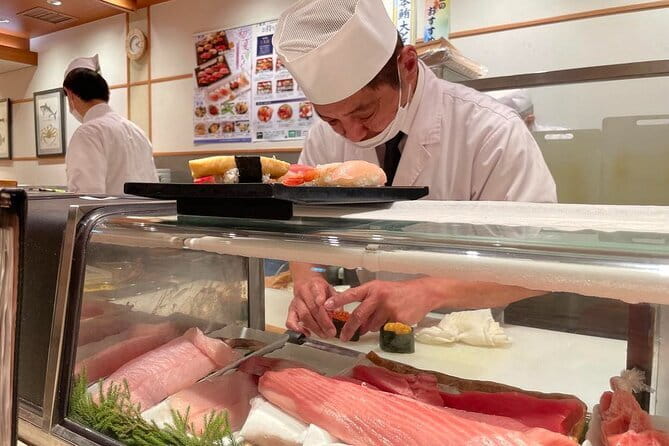
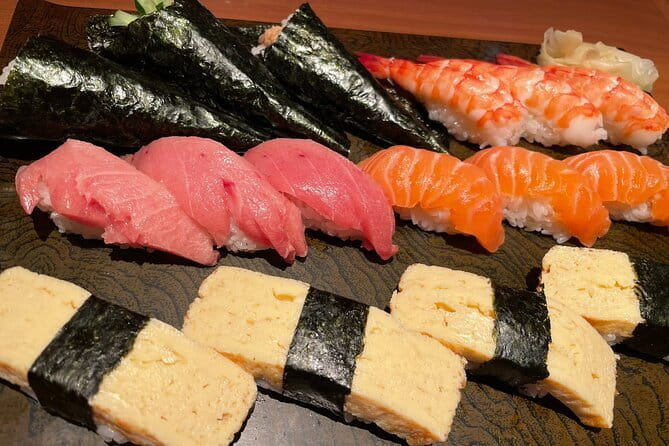
The core promise is tastings included, with classic Japanese dishes on the menu. The tour specifically highlights sushi and ramen, plus more dishes along the way, and you’ll be seated at multiple restaurants and izakayas.
What I like about this structure is that it helps you eat like a local without overthinking it. In Japan, the biggest difficulty for visitors is often not finding food—it’s finding the right places that match what you want, at the right moment, with the right level of friendliness and comfort. A guide solves that timing problem.
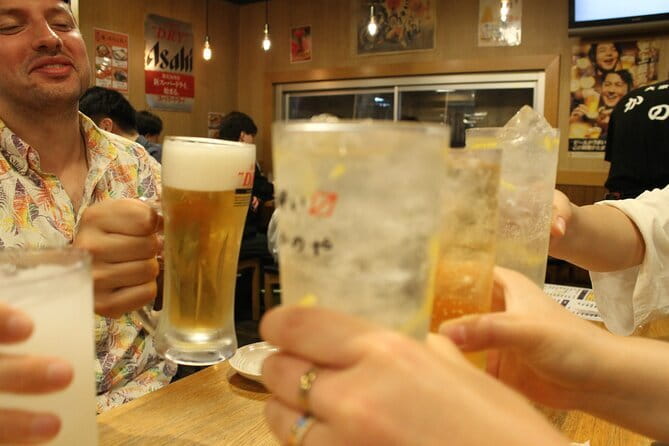
Also, seating at multiple spots is huge. It means you don’t just stand and snack your way through a market; you get actual pauses to sample different styles.
What you should expect to eat (without overpromising specifics)
The tour data says you’ll taste sushi and ramen and other classic Japanese dishes. It doesn’t lock in exact restaurant names in the details provided, so the exact order can vary by night, but the overall mix stays the same: you’re getting more than one Japanese comfort-food category in one outing.
One more thing: this is a dinner-style food tour, so don’t schedule a heavy meal right before it. You’ll enjoy the tastings more when you arrive comfortably hungry.
Izakayas and classic Japanese ordering rhythms
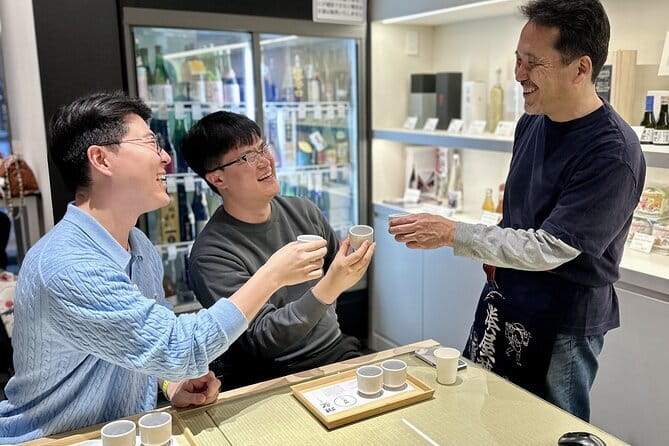
Izakayas are where a lot of Japan’s eating culture shows up—small plates, shared energy, and casual ordering. Since this tour includes “local restaurants and izakayas personally selected” by the local leadership, you’re likely to get places that feel like they belong in Ueno rather than transplanted into it.
Your guide will also share stories and recommendations, which is more useful than it sounds. If you know what you’re looking for—how to approach a dish, how a specific style of ramen differs, why a particular sushi experience fits—each tasting lands better.
This is also where the small group helps. With up to five people, your guide can keep the pace manageable, help you choose when options are available, and keep the night from turning into a race.
Alcohol package: when included, when it isn’t, and the age rule
The tour includes alcoholic beverages only if you purchase the alcohol package. That’s an important distinction, because some people assume drinks are automatic.
Japan’s legal drinking age is 20 years old, and the tour notes that you can’t drink alcohol if you’re below that. If you’re traveling as a mixed-age group, this matters—plan on a non-alcohol option if needed.
I also like that the tour clearly flags the age rule upfront. It reduces that awkward moment where a drink shows up and someone realizes the policy doesn’t work for them.
If you skip alcohol, you still get the food
Even without alcohol, you’re still paying for guided routing and tastings. The alcohol is a perk, not the foundation.
One restaurant allows smoking: how to handle it
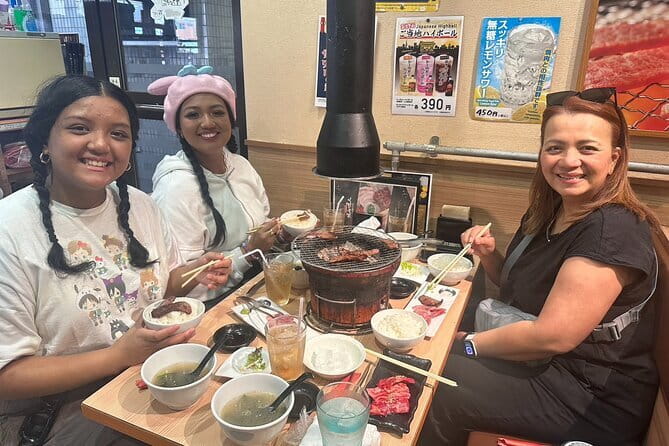
One practical note: one of the restaurants we visit allows smoking, and the tour says it’s common in many local eateries. If you’re sensitive to smoke, you should mention it before you go, so the team can do their best to make your experience enjoyable.
Here’s how I’d handle it as a traveler: don’t wait until you’re already seated. Tell your guide early so seating and timing can be adjusted if possible.
The guide experience: how names like Kaho and Nana translate to better eating

The reviews attached to this experience point to strong guide personalities, and that matters more than you might think. Great guides don’t just know where to go; they know how to explain what you’re tasting and how to keep things flowing without stress.
In particular, I saw guide names come up—Kaho, Nana, Nobutane, and Kana—and each is described as friendly, informative, and focused on local food culture. That lines up with what you want in a place like Ueno, where the best choices are often small and easy to miss.
For example, Nana is associated with steering people toward a solid ramen choice (including chicken ramen), and Kana is described as giving clear explanations of Japanese foods and customs. Nobutane is also credited with recommending both food and drinks that fit the neighborhood vibe.
Even if you don’t remember the guide’s name, the pattern is the same: you’re getting someone local to interpret the district for you.
Small group size (max 5): what you gain beyond a number
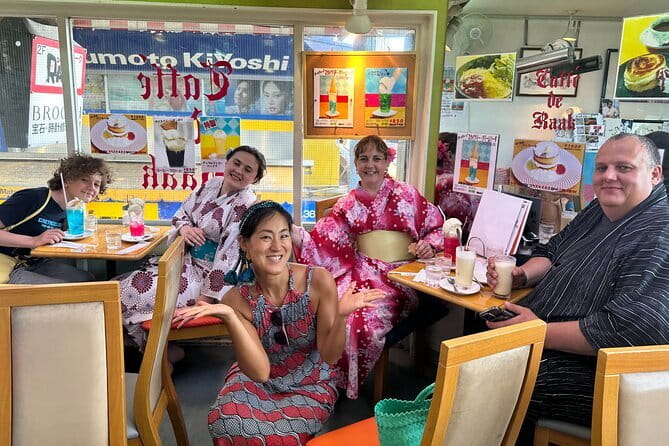
Maximum of five travelers might sound like a small detail, but it changes the feel of the tour. With a tiny group, you’re less likely to get stuck behind slow walkers or lose track of the plan.
It also makes question-asking easier. If you’re curious about how something should be eaten or what to order next, you’re more likely to get an answer that’s actually tailored to you, not a generic script.
In a city where restaurant signage and language barriers can slow you down, this hands-on attention is part of the value.
Value check: is $89.17 for 3 hours worth it?
Let’s talk value in a way that helps you decide. You’re paying $89.17 per person for about 3 hours, with tastings included and seating at multiple restaurants/izakayas.
What makes that feel reasonable is the “bundling”:
- You get routing help so you don’t waste time guessing
- You get tastings so you don’t have to order a full meal alone
- You get cultural context that makes the food choices more meaningful
- You get a small-group guide, which is hard to replicate on your own
Could you eat in Ueno for less on your own? Sure. But the tour’s pitch isn’t cheap calories—it’s saving your time and your decision energy while still getting a local-feeling meal run.
Also, the tour is noted as frequently booked about 51 days in advance. That’s a clue that it’s not just casual “walk around and eat something” tourism—it’s in demand.
Who should book this Ueno food tour (and who should skip)
This tour is a good match if you want:
- A guided, no-hassle way to eat in Ueno
- Tastings that cover major comfort-food categories like sushi and ramen
- A local guide to explain food culture and neighborhood history
- A small group outing that doesn’t feel chaotic
It may not be a good match if you:
- Are vegetarian, vegan, or pescatarian (not supported based on the tour data)
- Have a gluten allergy (also not supported)
- Are very sensitive to smoke, unless you alert the team ahead of time (since one stop allows smoking)
When to do it in your Tokyo plan
I’d do this early in your Ueno days. The logic is simple: once you’ve seen how Ameyoko flows and how local eateries feel, you’ll have a better sense for where to go next on your own.
Also, a short 3-hour format is friendly if you’re juggling other Tokyo highlights. You won’t lose half a day to restaurant searching, and you’ll leave with clearer instincts for Ueno’s food neighborhoods.
Should you book the Tokyo Ueno Food Tour Sushi Ramen and Local Favorites?
Book it if you want tastings with a guide and you like the idea of combining a market walk with multiple restaurant stops. The small group size, the sushi/ramen focus, and the added local cultural context are exactly what makes a guided food tour feel worth the money.
Skip it if you have dietary restrictions (vegetarian/vegan/pescatarian or gluten allergy). Also think twice if smoke exposure is a big deal for you—ask about seating/timing first.
If your schedule is flexible, this is the kind of activity where I like having the option to cancel—free cancellation is available up to 24 hours in advance—so you can lock in a plan without fear.
FAQ
How long is the Tokyo Ueno food tour?
It runs for about 3 hours.
Where do I meet for the tour?
Meet at Andersen Atre Ueno, Ueno (Taito City), 7-chōme, 1F.
What’s included in the food?
You’ll get tastings of classic Japanese dishes, including sushi, ramen, and more, plus seating at multiple restaurants and izakayas.
Is alcohol included?
Alcoholic beverages are included only if you purchase the alcohol package. The legal drinking age in Japan is 20.
Who should not book this tour?
It’s not for people who are vegetarian, vegan, or pescatarian, and it’s not suitable for anyone with a gluten allergy.
How many people are in the group, and is there a dress code?
The tour has a maximum of 5 travelers, and there is no dress code—wear what’s comfortable for walking and eating.