REVIEW · TOKYO
Making Japanese desserts Nerikiri & drinking matcha in Tokyo
Book on Viator →Operated by Shuminavi Inc. · Bookable on Viator
Kneading sweets is surprisingly relaxing. This Tokyo class is a hands-on way to learn nerikiri—seasonal Japanese kneaded confections—while your tutor explains the process and the food context that most guidebooks skip. I like that it is a true small-group format (max 8), so you can ask questions while your hands are still sticky. I also like that you get a real food reward at the end with matcha plus the option to eat what you made on the spot or take it home. One consideration: the lesson location can shift between Shimokitazawa and Toritsu Daigaku, and there may be limits if you want extra custom shapes.
You’ll spend about 1 hour 30 minutes making three types of seasonal kneaded dough, learning how the texture and shaping change with the season. Afterward, the instructor prepares popular matcha and gives you packets so you can bring your nerikiri along. If you want specific forms like an owl or a needle mouse, you’ll need to request that by email, and timing may affect whether it works.
In This Review
- Key highlights to look for
- Nerikiri in Tokyo: a seasonal dessert skill, not just a snack
- Inside the 1.5-hour class: kneading, shaping, and learning by doing
- A note on special shapes: owl and needle mouse requests
- Matcha after shaping sweets: what you’ll do and why it feels right
- Eat now or take it home: the big value of those take-home packets
- Setagaya and Shimokitazawa after class: how to turn a snack lesson into a real neighborhood day
- Price and value: is $65.69 actually worth it?
- Who this nerikiri and matcha class is best for
- Meeting point reality check: Shimokitazawa vs Toritsu Daigaku
- Should you book? The quick decision guide
- FAQ
- How long is the nerikiri and matcha class?
- How big is the group?
- What will I make during the class?
- Will I get matcha to drink?
- Can I eat what I make during the class?
- Are ingredients and tools included?
- Where does the class take place?
- Can I request special shapes like an owl or needle mouse?
- When will I receive confirmation after booking?
- What is the cancellation policy?
Key highlights to look for
- Small group, lots of personal attention with a max of 8 people
- All ingredients and tools included, so you’re not scrambling for supplies
- Make three seasonal kneaded dough types with your hands from start to finish
- Matcha prepared by the instructor after you finish shaping
- Eat now or take home with provided take-home packets
- Location may be Shimokitazawa or Toritsu Daigaku depending on space availability
Nerikiri in Tokyo: a seasonal dessert skill, not just a snack
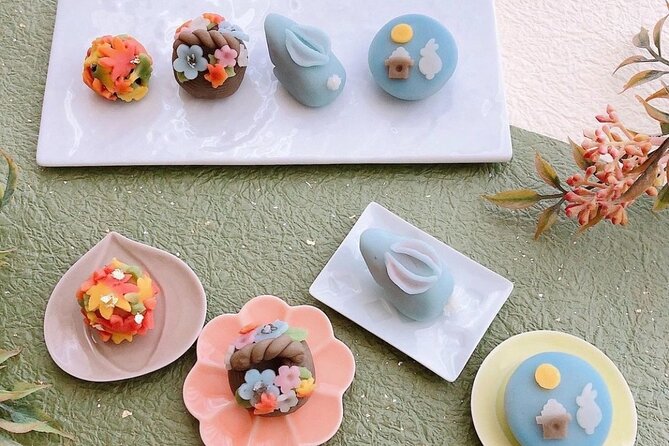
Nerikiri is one of those Japanese sweets that looks like art, but it starts with something simple: kneaded dough. The key is that the shapes and flavors are seasonal, so what you make changes depending on when you visit. In this Tokyo workshop, you won’t just view nerikiri behind glass. You’ll actually work the dough, learn the process step-by-step, and make three seasonal versions during the class.
This matters more than you might think. A lot of dessert tastings teach you what to order. Nerikiri teaches you how Japanese confectionery thinking works: texture, timing, and shaping all work together. You’ll also get a bit of the background behind why nerikiri is treated like a seasonal craft, not a one-note sweet.
And because this is based in Setagaya (with Shimokitazawa or Toritsu Daigaku as the kitchen area), it’s the kind of experience that fits real travel rhythms. You’re not hopping across the whole city for a quick photo. You’re learning a craft in a local neighborhood and then carrying that food skill back into your day.
You can also read our reviews of more drinking tours in Tokyo
Inside the 1.5-hour class: kneading, shaping, and learning by doing
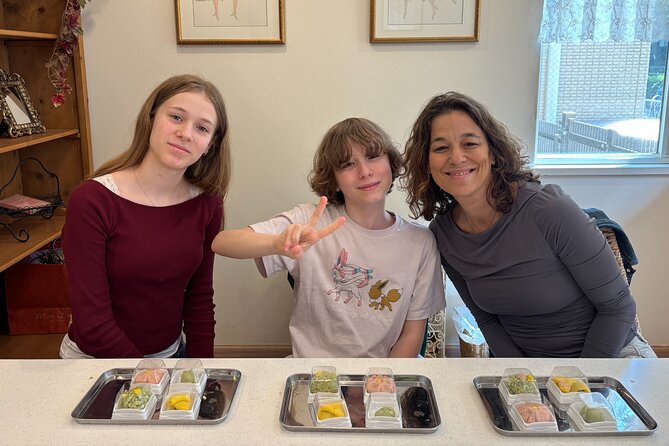
The heart of the experience is straightforward and hands-on: you’ll make three types of seasonal kneaded dough. The class runs about 1 hour 30 minutes, and the structure is built around you doing the work with your hands, guided by your tutor.
Here’s the flow you can expect:
- The instructor explains the nerikiri process clearly, then you start working the dough yourself.
- You’ll make three types of seasonal kneaded dough during the session.
- You shape and knead with your hands, learning how the dough behaves as you work.
You’ll also learn the underlying idea: nerikiri isn’t one fixed recipe. It’s a confection style that changes by season, which is why the dough you knead in this class is described as seasonal kneaded rice balls. That means your final sweets are tied to the time of year, not generic “anytime” dessert.
If you’re the kind of traveler who loves a creative task, this part is for you. If you’re the kind of traveler who worries about messing things up, this is still worth it because the class is designed for beginners. One review called it beginner friendly, and that matches the format: you’re not expected to arrive knowing pastry technique. You learn while you go.
A note on special shapes: owl and needle mouse requests
Most of the time, the class will make the seasonal kneaded rice balls. If you want a specific variation—like an owl or a needle mouse—you can request it by email when you send your reservation details. Keep in mind that the request may not be possible depending on when you apply and what timing works in the kitchen.
In practice, this means: if you have your heart set on a particular shape, send the request early. Otherwise, plan to enjoy the standard seasonal options.
Matcha after shaping sweets: what you’ll do and why it feels right
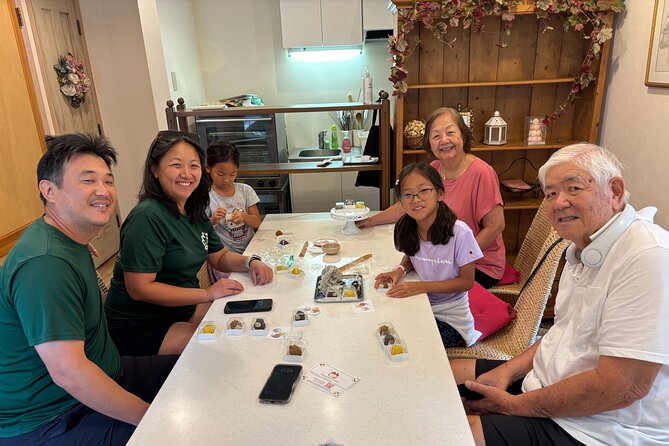
After you finish kneading and shaping, the instructor prepares matcha for you. You get a cup of popular matcha green tea as part of the class, and you can enjoy the nerikiri you made on the spot.
This is one of the most satisfying parts of the experience. The lesson isn’t just a craft exercise; it ends with the pairing that makes sense culturally and sensibly. Matcha brings a distinct tea bitterness and aroma that balances sweet confections, and it gives your brain an easy “finish line” after hands-on work.
You should also know the practical rhythm: you can eat your nerikiri right away, or you can take it home. Either way, the matcha moment helps you reset from concentrated shaping mode into tasting mode.
If you like tea culture, you’ll probably enjoy this more than a typical dessert class. It feels like the workshop is designed to end the same way a traditional snack break would: tea first (or at least alongside), then tasting.
Eat now or take it home: the big value of those take-home packets
One small detail that has big payoff: the instructor provides packets so you can take your nerikiri home. That means you’re not forced into choosing between learning the craft and actually getting to enjoy the results later.
For many travelers, the best “souvenir” isn’t a keychain. It’s something edible that you can share or eat slowly after a long day. With these packets, you can bring your sweets back to your hotel or apartment and show up with something that feels homemade and meaningful.
Even better, the class isn’t limited to eating during the session. The option to take home makes it easy to coordinate with your group’s schedule and appetite. You can snack on-site if you want, or pack it up if you’re heading out to explore Setagaya right after.

Setagaya and Shimokitazawa after class: how to turn a snack lesson into a real neighborhood day
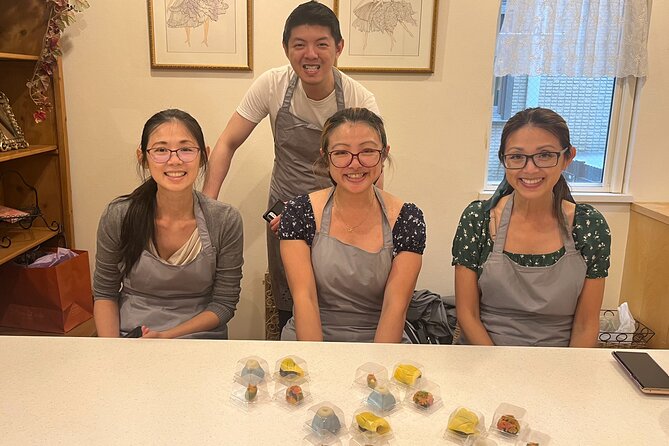
Because the class is in Setagaya-ku (typically in the kitchen area around Shimokitazawa, or sometimes near Toritsu Daigaku), you can build a mini food-and-culture day around it. After the class ends back at the meeting point, you’re free to explore the nearby district at your own pace.
This is a smart setup for Tokyo travel. Central neighborhoods can be intense and exhausting when you’re bouncing between major sights all day. Setagaya’s surrounding areas are the kind of place where you can wander with fewer plans and still find atmosphere—small streets, casual shops, and places to pause.
Here’s how I’d use your timing:
- Treat the class as your “hands-on cultural anchor.”
- Then walk, snack, and browse nearby shops while the nerikiri experience is still fresh in your mind.
If you’re traveling with friends or family, this flow is especially good. One person can focus on tasting and shopping; another can reflect on the craft. Nobody feels like they’re just waiting for a bus.
Price and value: is $65.69 actually worth it?
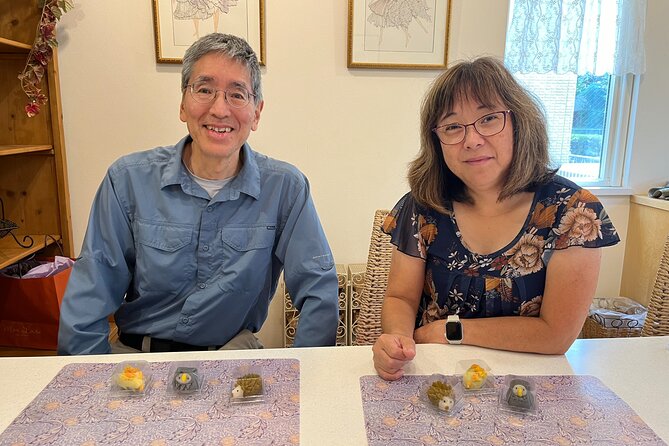
At $65.69 per person, this class is priced like an activity—not like a casual dessert stop. But it makes sense when you look at what’s included.
You get:
- A small-group class (max 8)
- Ingredients and tools included
- Three types of seasonal kneaded dough made by you
- Matcha prepared by the instructor
- The option to eat on the spot
- Packets provided to take your nerikiri home
In other words, you’re paying for time plus instruction plus the materials to make the sweets, not just for tasting. That’s exactly what makes it feel like value for visitors who want skills, not only souvenirs.
Also, the format matters. With small-group attention, you’re more likely to actually understand what you’re doing rather than just follow along passively. For beginners, that kind of support can be the difference between a fun craft moment and a confusing mess.
Who this nerikiri and matcha class is best for
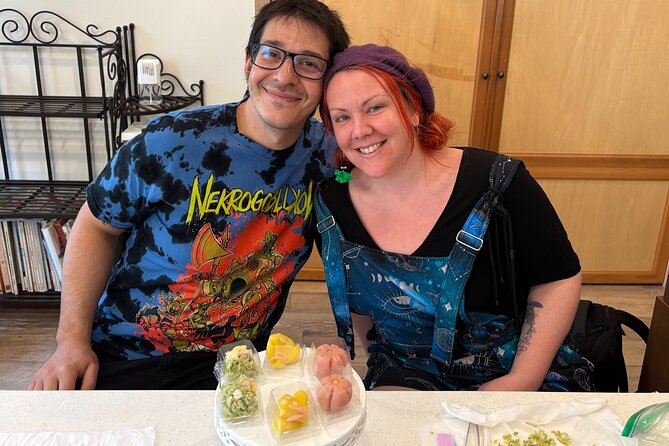
This workshop fits best if you want hands-on culture. It’s ideal for:
- Beginners who want a guided skill with lots of personal attention
- Travelers who like seasonal food concepts, not just standard desserts
- Groups of friends and family, since the class is designed for a small size (max 8)
- Anyone who wants something more cultural than a typical Tokyo food tour
If you’re a seasoned home cook, you might find the techniques straightforward, but you’ll still likely enjoy learning how Japanese confectionery approaches seasonality. If you’re mostly interested in eating, you’ll still get matcha and sweets, but the real payoff here is the making.
Meeting point reality check: Shimokitazawa vs Toritsu Daigaku
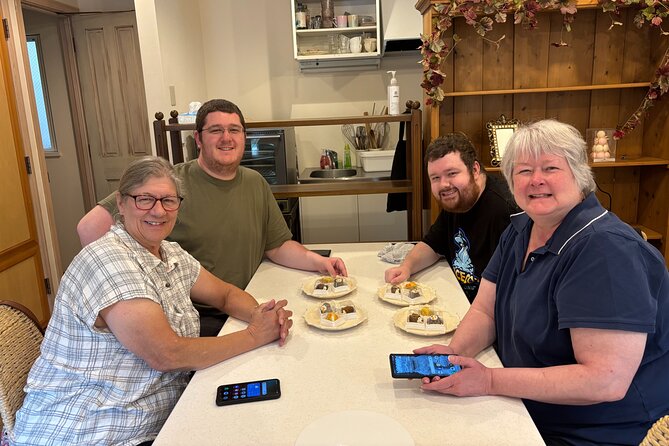
The start point is listed at 3-chōme-20-4 Kitazawa, Setagaya City, Tokyo 155-0031. Your end point is the same meeting point.
One practical wrinkle: the class is basically held at a kitchen in Shimokitazawa. If that rental space isn’t available, it may be held near Toritsu Daigaku Station. The instructor contacts you by email with the final location details.
My advice is simple: watch for that email after you book. Don’t assume it will be exactly at the street address you saw at first glance. This matters because Tokyo neighborhoods can be close together, but the walking routes and train exits can still change your day.
Should you book? The quick decision guide
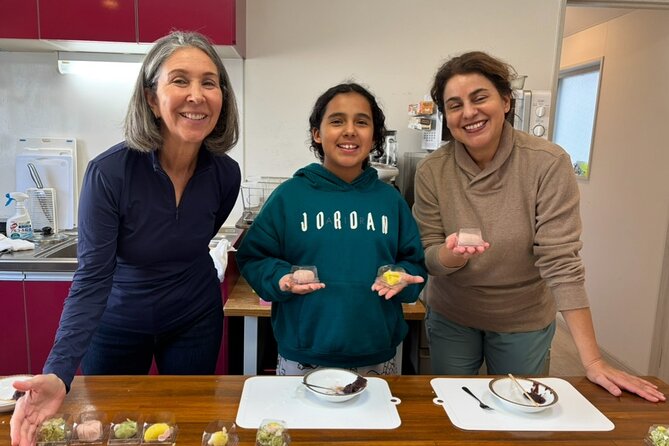
Book it if you want a short, focused Tokyo experience where you learn a specific seasonal craft and get to taste the results right away (plus take some home). I also think it’s a great fit if you like smaller group classes, because nerikiri shaping is one of those tasks where having a tutor’s eyes on your technique helps.
Skip it only if you’re looking for a long guided tour across multiple Tokyo landmarks. This is an intensive 1 hour 30 minutes centered on making nerikiri and sipping matcha, not a city-sightseeing day.
If your schedule is tight and you want a memorable cultural activity that still feels practical, this class is a strong choice.
FAQ
How long is the nerikiri and matcha class?
The class takes about 1 hour 30 minutes.
How big is the group?
The experience has a maximum of 8 travelers.
What will I make during the class?
You’ll make three types of seasonal kneaded dough.
Will I get matcha to drink?
Yes. After you finish making the sweets, the instructor prepares popular matcha green tea for you.
Can I eat what I make during the class?
Yes. You can eat the nerikiri on the spot, and you can also take it home.
Are ingredients and tools included?
Yes. Your class includes all the ingredients and tools you’ll need.
Where does the class take place?
The meeting point is 3-chōme-20-4 Kitazawa, Setagaya City, Tokyo 155-0031. The class is basically held at a kitchen in Shimokitazawa, but if that space isn’t available it may be held near Toritsudaigaku Station. The instructor emails the location details.
Can I request special shapes like an owl or needle mouse?
You can request special shapes by email when you send your reservation details. Requests may not always be possible depending on the time of application.
When will I receive confirmation after booking?
You’ll receive confirmation within 48 hours of booking, subject to availability.
What is the cancellation policy?
You can cancel for a full refund up to 24 hours before the experience’s start time. If you cancel less than 24 hours before, the amount paid is not refunded.